
A tiny spotted cat from Bolivia is suddenly everywhere. It is called the tilcayo, its scientific name is Leopardus tilcayo, and researchers have formally described it as a distinct living wild-cat species.
The quick answer: the tilcayo is not a new domestic cat breed, and its small size does not make it a pet. It is a poorly known wild felid from the cloud forests of the Bolivian Yungas.

What was actually discovered?
Researchers did not find a previously unseen animal during one dramatic expedition. Local communities already knew the cat, and the individual that drew scientific attention had lived at a wildlife sanctuary after a family tried to keep it as a pet.
The scientific breakthrough came from comparing genetic material and museum specimens across the South American tiger-cat group. The team concluded that animals previously grouped together included five distinct species, one of which had not been formally named by science: Leopardus tilcayo.
A newly described species is not the same thing as a newly created breed. Domestic breeds are selected populations of Felis catus. The tilcayo belongs to the wild South American genus Leopardus.

Seven facts about the tilcayo tiger cat
1. It may be smaller than an average house cat
The best-known individual is reported to measure about 46 centimeters from head to the base of the tail and to weigh roughly 1.4 kilograms, or about 3 pounds. That compact body is one reason people initially mistook the animal for an unusual domestic kitten.
Size tells you almost nothing about domestication. Small wild carnivores can retain hunting, territorial, escape, scent-marking, and stress behaviors that are incompatible with household life.

2. Its home is Bolivia’s Yungas cloud forest
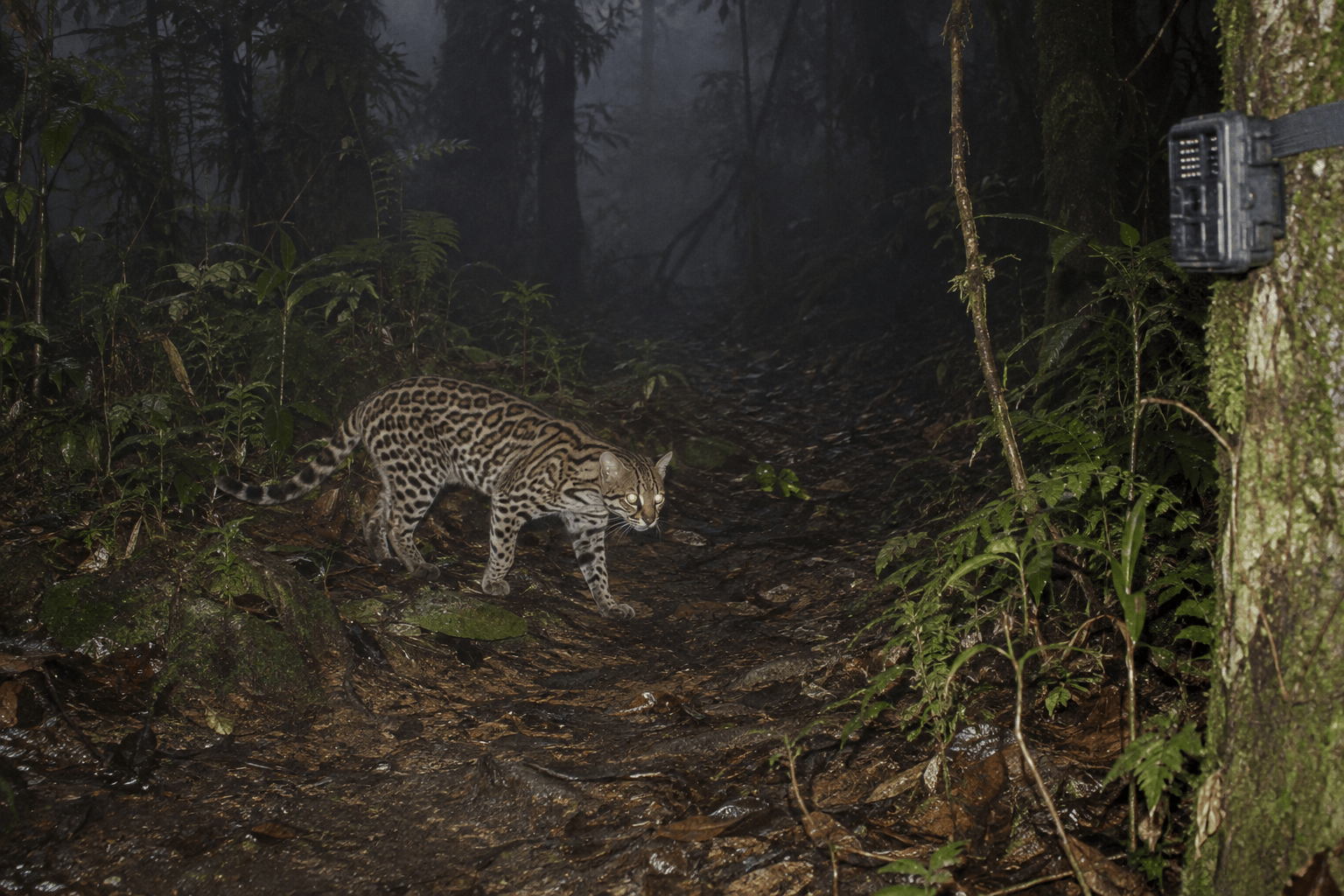
The tilcayo is associated with humid Yungas forests on the eastern slopes of the Andes. Habitat is an ecological system involving prey, cover, temperature, moisture, competitors, disease pressures, and room to move. It cannot be reproduced by treating a wild cat like an unusual house cat.
3. Its coat offered an early clue
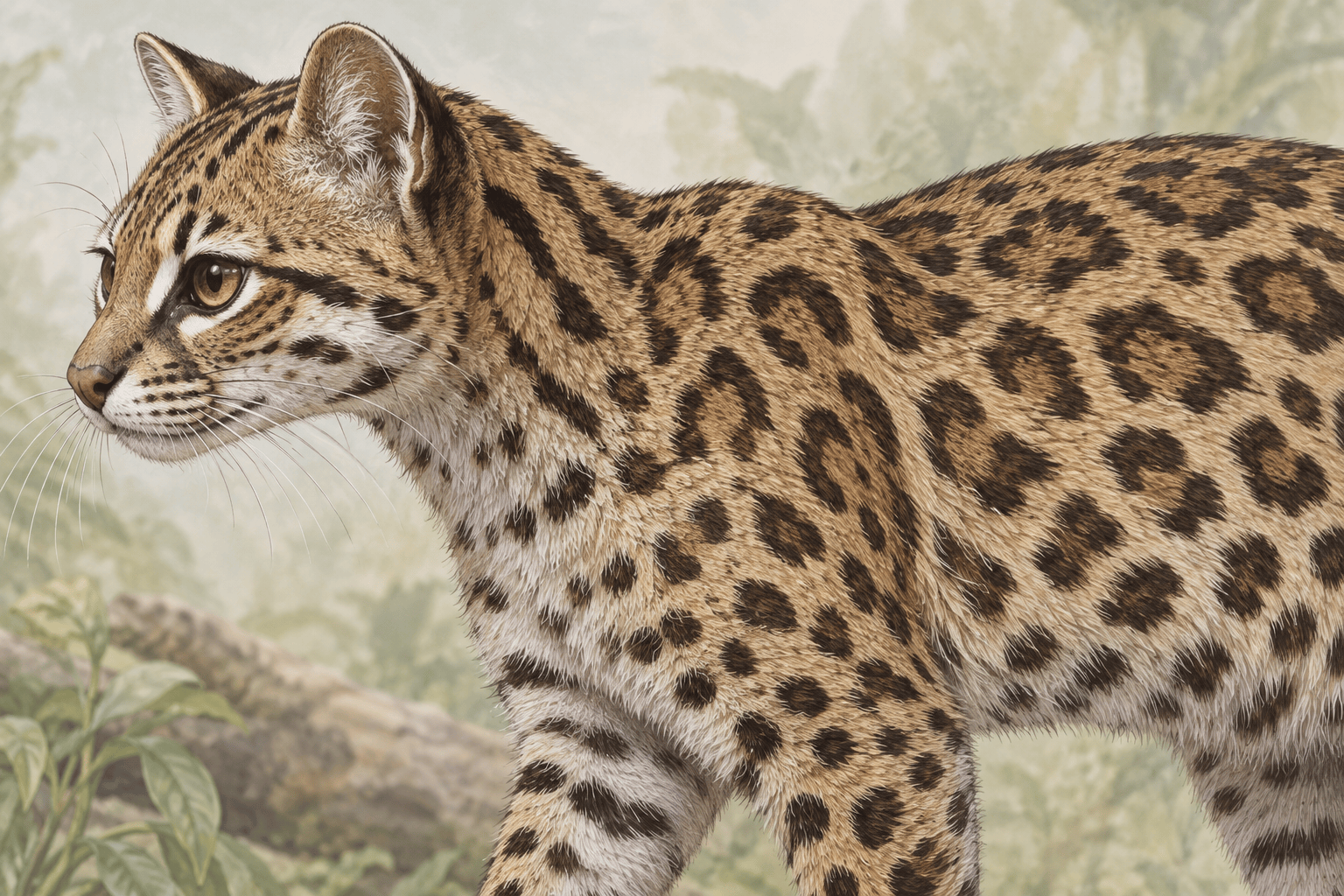
Reports describe a light-brown coat patterned with irregular rosettes. Researchers also noticed differences in its proportions and appearance compared with other tiger cats. Appearance prompted a deeper comparison; it was not the final proof.
4. Genetics provided the decisive evidence
The team compared complete genomes from 38 cats across the Leopardus genus, including living animals and historical museum material. The analysis supported five distinct tiger-cat lineages and placed the tilcayo on its own branch.

5. The description is historically unusual
Reports call it the first living feline species newly named and described in more than 100 years. That does not mean cat taxonomy stood still: scientists also elevated and reorganized previously known populations. The unusual point is the proposal of a living feline species that had not already been formally described as its own species.

6. The name preserves local knowledge
The scientific name uses “tilcayo,” the name local communities had already used. The cat was new to formal scientific classification, not new to people living near its habitat.

7. Scientists still do not know how many survive
Researchers still need better information about population size, geographic range, diet, behavior, reproduction, habitat use, and threats. Do not treat an unknown population as a healthy population.
Can a tilcayo be kept as a pet?
- It is a wild species, not a domestic breed. Thousands of years of domestication separate house cats from a newly described wild felid.
- Its care needs are largely unknown. Household standards do not exist for its diet, space, stress, social behavior, or veterinary care.
- Private demand can harm conservation. Viral cuteness can encourage capture and trade.
- Legality varies. Wildlife possession and transport rules differ; a social post is not legal guidance.

Tilcayo versus a domestic cat
| Question | Tilcayo | Domestic cat |
|---|---|---|
| Scientific group | Leopardus tilcayo | Felis catus |
| Status | Wild species | Domesticated species |
| Natural setting | Bolivian Yungas cloud forest | Human-associated environments worldwide |
| Household suitability | No established basis | Managed as a companion animal |
| Population knowledge | Still being studied | Extensively documented |
What happens next?
Naming the species makes targeted research possible. Scientists can now investigate where the tilcayo occurs, how its range overlaps with other tiger cats, which habitats it needs, and which threats require action.
Frequently asked questions
Is the tilcayo a new cat breed?
No. A breed is a selected population within a domesticated species. The tilcayo is a distinct wild species in the genus Leopardus.
Is it really smaller than a house cat?
One reported individual weighed about 3 pounds and measured about 18 inches from head to the base of the tail. Scientists do not yet have enough population data to make that an exact species standard.
Why did identification take so long?
Small South American spotted cats can look similar, forest habitat is difficult to survey, and confirmation required comparisons across genomes and historical specimens.
Where does it live?
Current reporting associates it with the Yungas cloud forests of Bolivia. Its complete range has not been established.
Is it endangered?
A confident species-specific assessment requires population and range data that researchers do not yet have. Unknown does not mean safe.
Bottom line
The tilcayo represents a distinct branch of the cat family, not a miniature new house-cat breed. Enjoy the discovery, do not promote it as a pet, and watch for the field research that comes next.
Sources: Google Trends Trending Now; Associated Press, September 18, 2026; Chester Zoo, September 18, 2026; Universidad Mayor de San Andres, September 18, 2026; National Geographic, September 17, 2026. Generated visuals must be presented as editorial illustrations.
Leave a Reply