
The lights are out, and your cat walks across the room as if they know exactly where the furniture is. It is tempting to call that night vision. But there is an important catch: cats see well in dim light, not in a room with no light at all. That distinction matters more than the familiar claim that they can simply "see in the dark."
The short answer: With some moonlight, a hallway lamp, or light leaking through a window, a cat has a visual advantage over us. In complete darkness, their eyes cannot create an image from nothing. If your cat still finds the doorway, familiar layout, hearing, touch, and whiskers can help too.
Can cats see in a completely dark room?
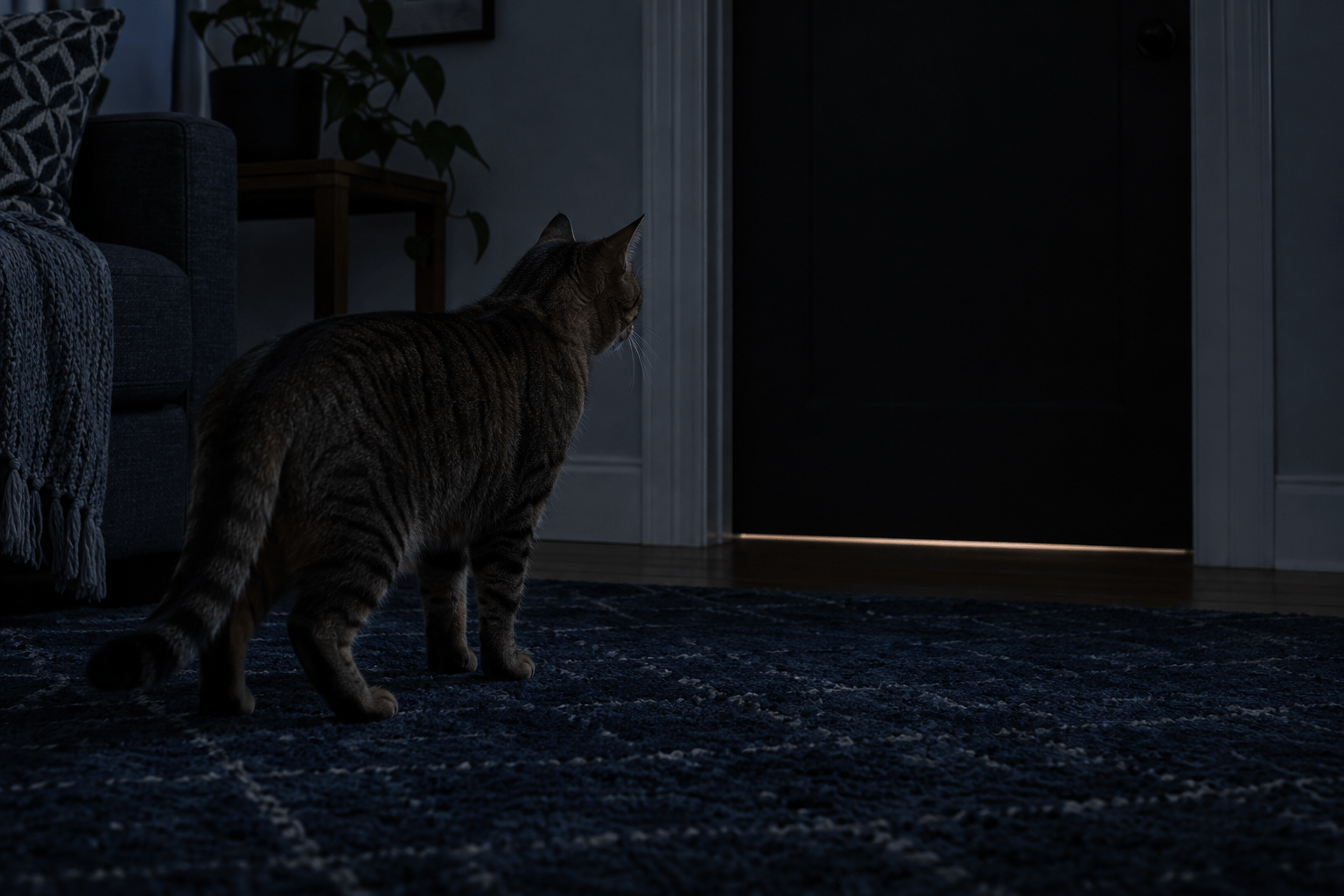
No. If there is no light to enter the eye, there is nothing for its light-sensitive cells to detect. Cats Protection makes this distinction plainly: cats cannot see when it is absolutely dark, even though they outperform us when a little light is available. A closed bathroom with no window and no light source is not the same environment as a living room at night with streetlight coming through the curtains.
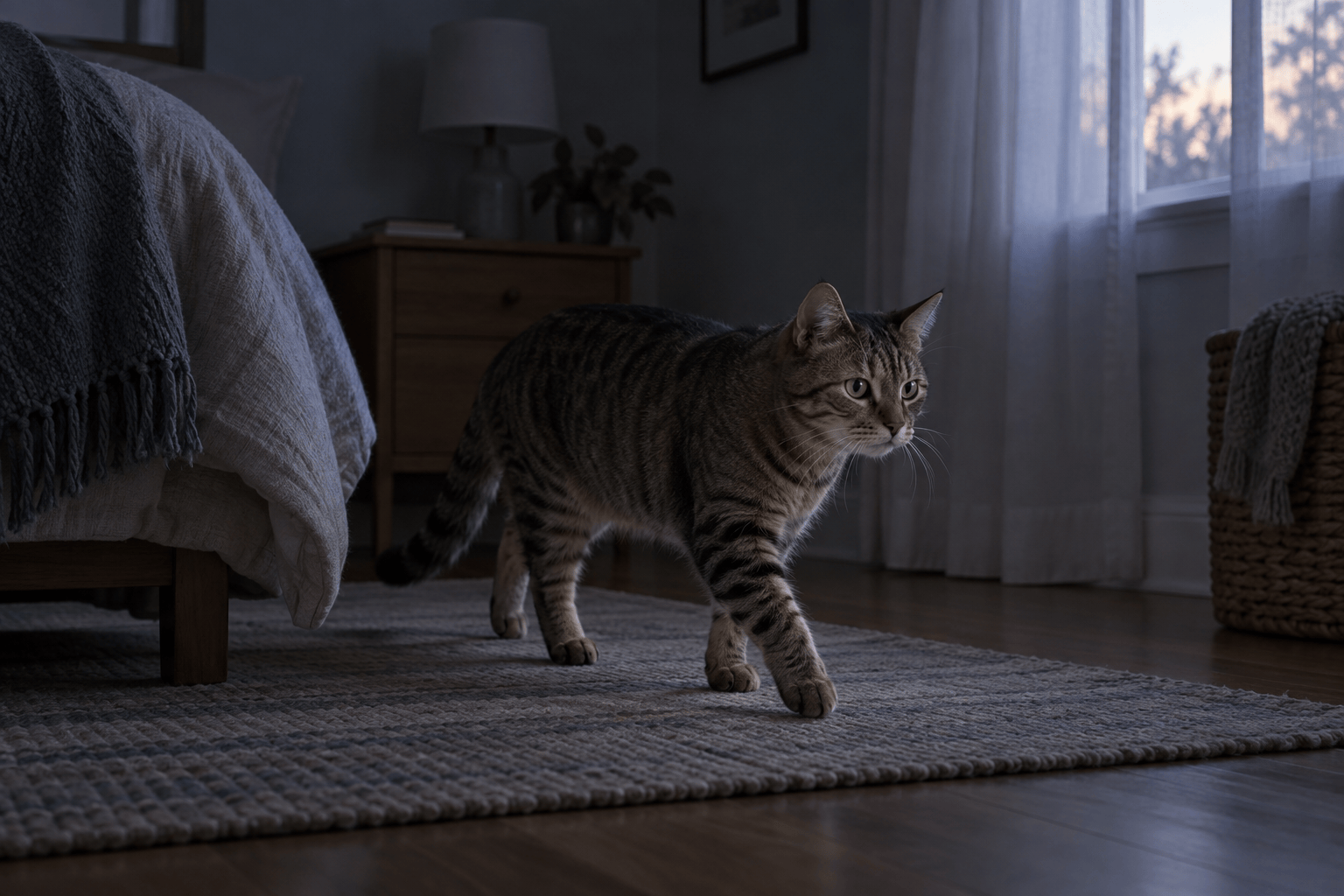
Your cat might still move confidently through a familiar room. That does not prove they can see in total darkness. They know the route, may hear where you are, and can use touch and whiskers near objects. It is a combination of senses, not a supernatural visual trick.
Why do cat eyes work so well at dusk?
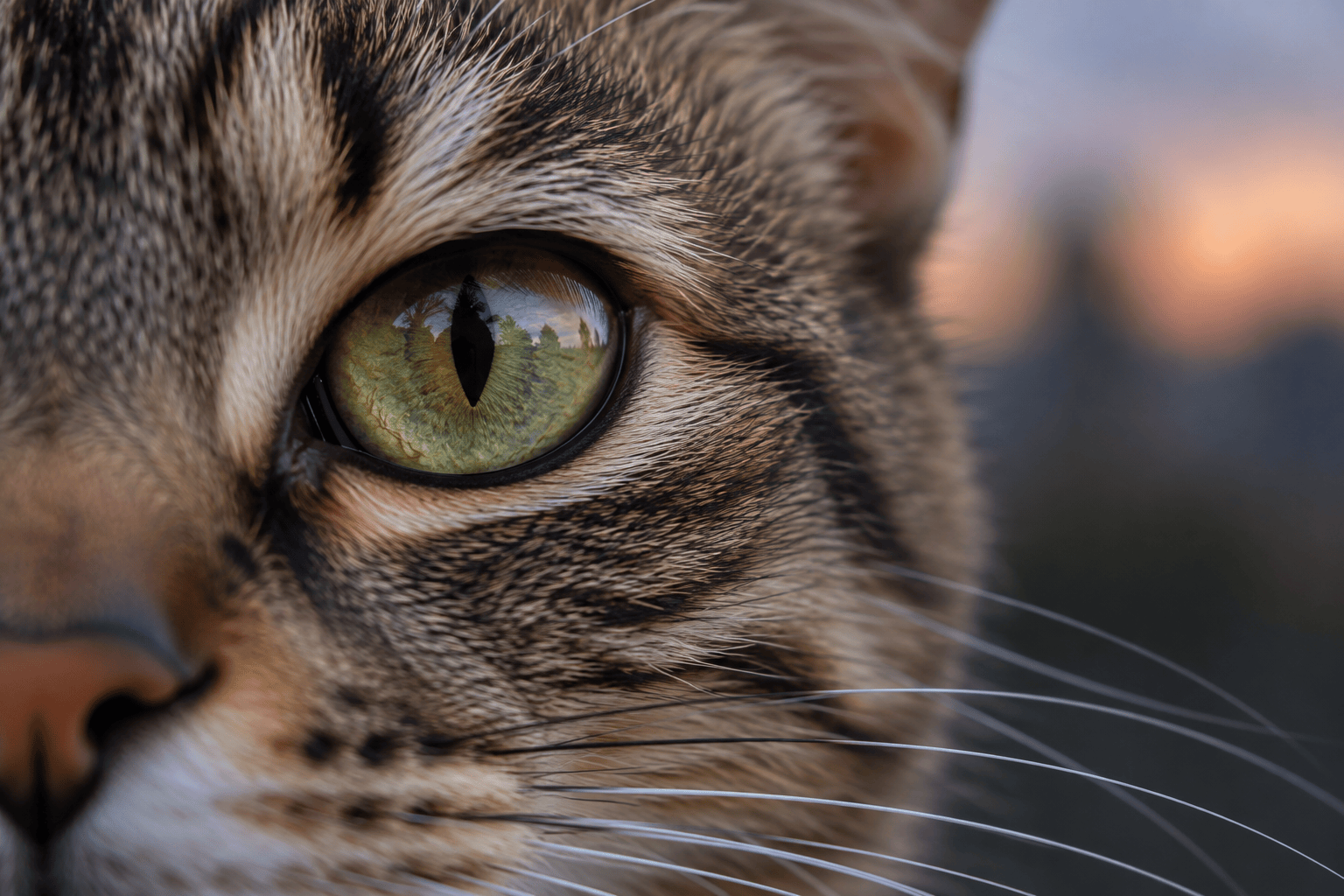
Three features help. Their pupils can widen to admit more light. Their retinas have many rods, the cells that respond to low light. Behind the retina sits a reflective layer called the tapetum lucidum, which gives some incoming light another chance to be detected. VCA and Cats Protection describe these as the reasons cats handle low-light scenes better than people.
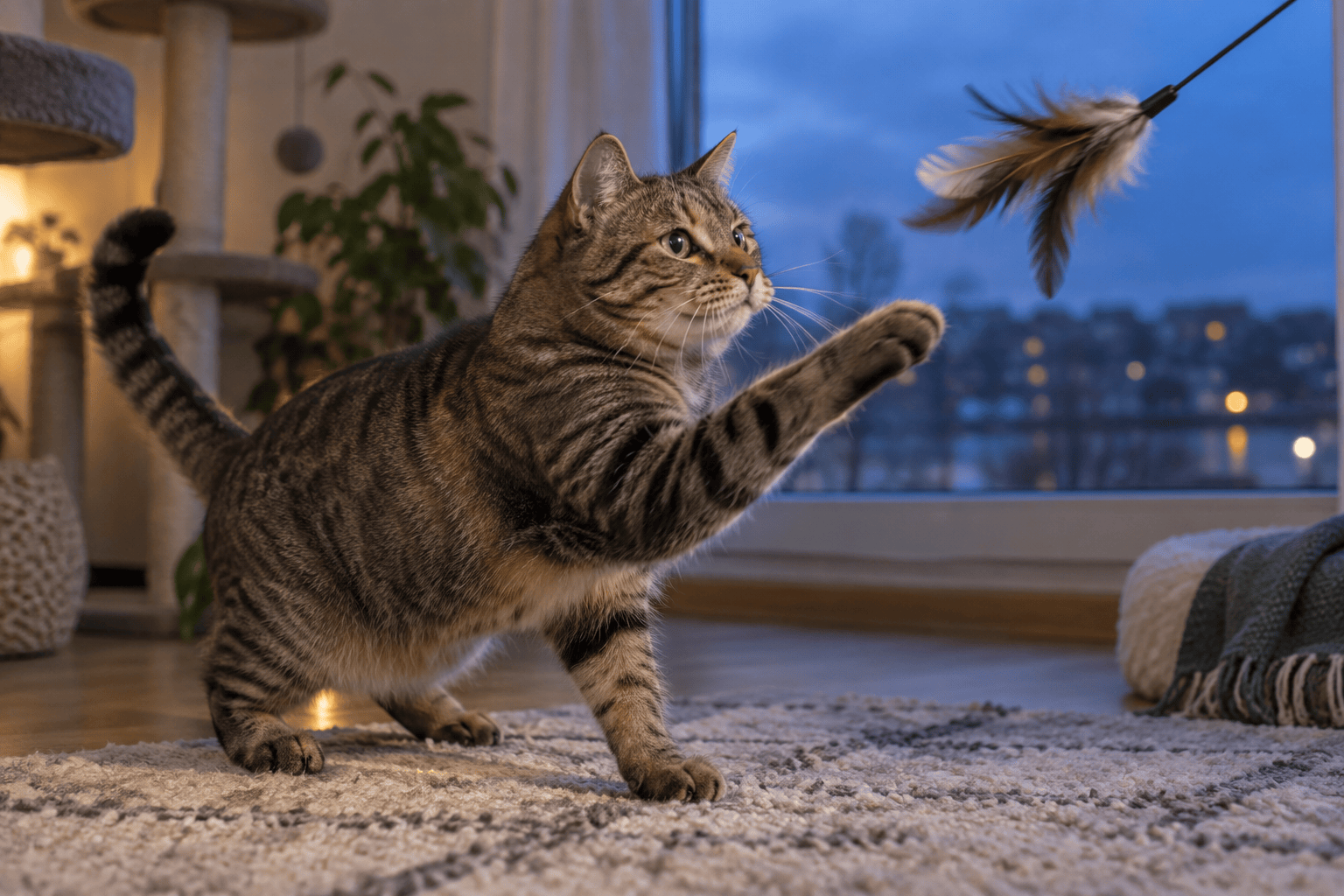
This does not mean every part of a cat’s vision is sharper. VCA notes that people often see fine detail better in bright daylight. Cats are particularly good at noticing movement, which is useful at dawn and dusk. That is a more helpful picture than imagining a perfect, full-color night-vision camera behind your cat’s eyes.

Why do their eyes seem to glow?
The shine is reflected light, not light made by the cat. If a lamp, camera, or another source reaches the eye, some light can bounce back out from the tapetum. That is why you may notice two bright points across a dim room. Without incoming light, the eyes do not switch on like tiny flashlights.
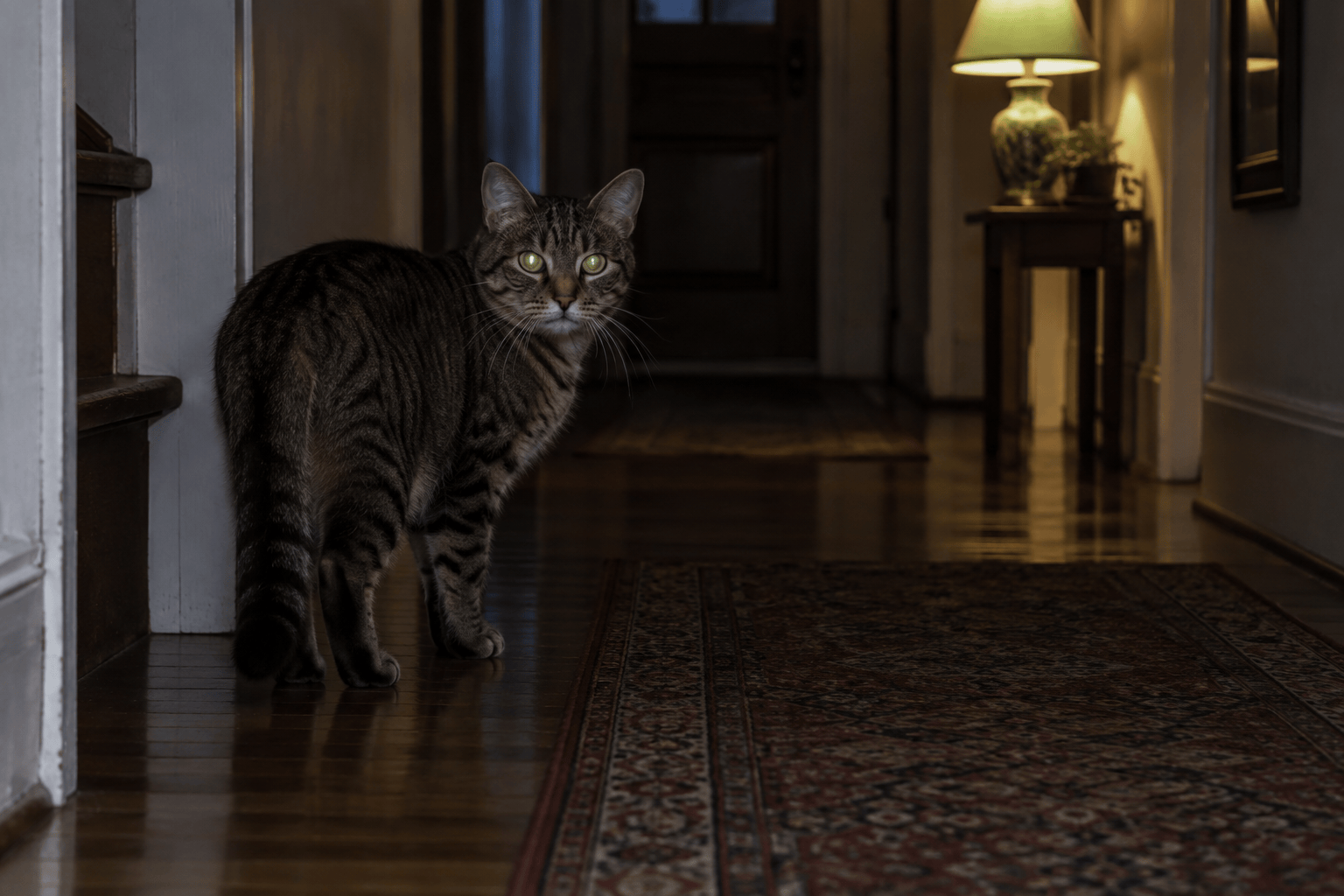
The color and intensity can vary with the angle and lighting. A single unusual photo is not a way to judge vision. But if you notice a persistent change in one or both eyes, or a clear difference in how your cat moves, ask a veterinarian rather than trying to diagnose it from the shine.
Does your cat need a light on at night?
There is no single rule that every healthy cat needs a night-light. A little ambient light may already reach the room, and most cats know their regular routes. What matters is the setup: keep a clear path to water, litter, and resting places; avoid moving furniture without giving your cat time to adjust; and do not leave cords or clutter where they might stumble.
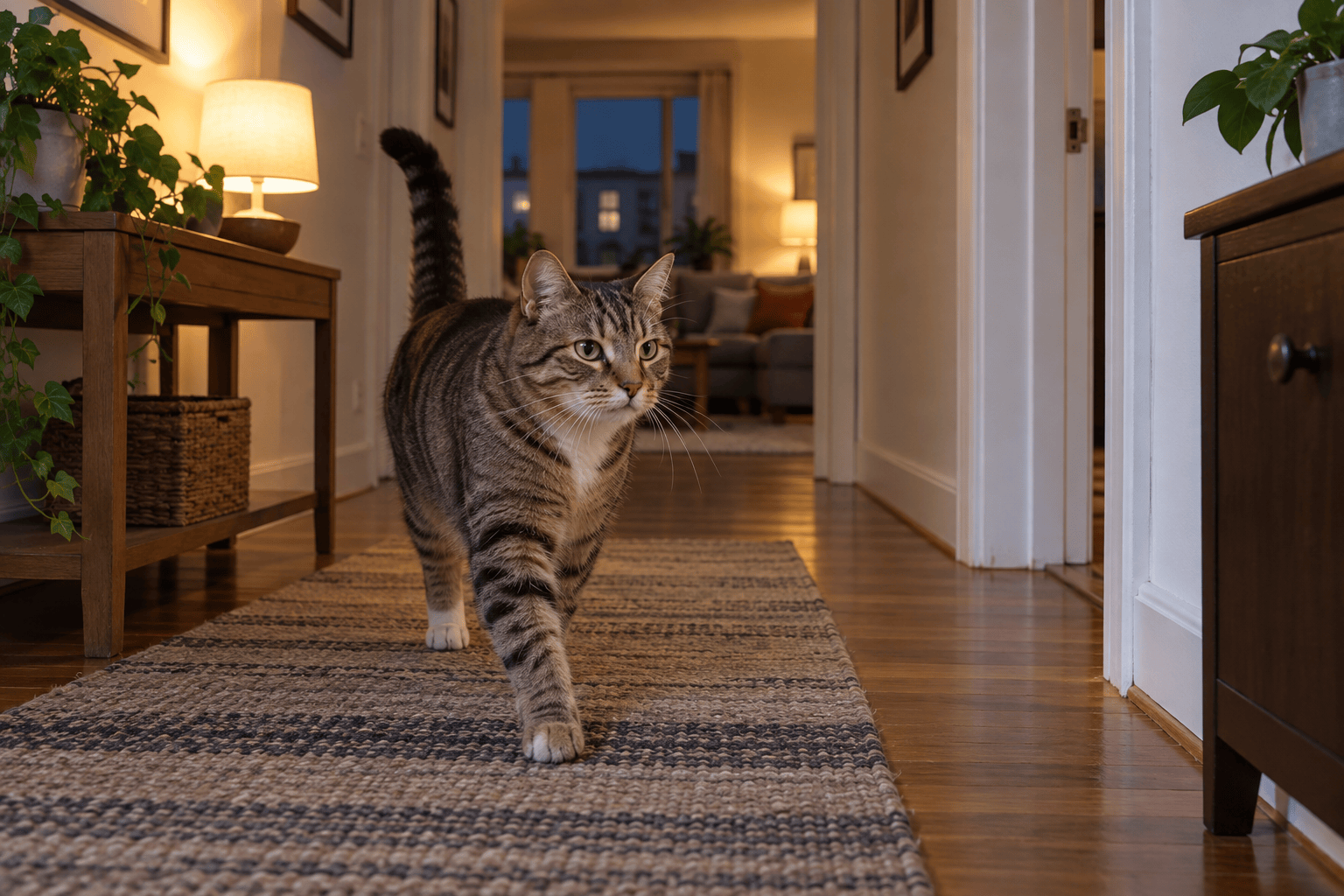
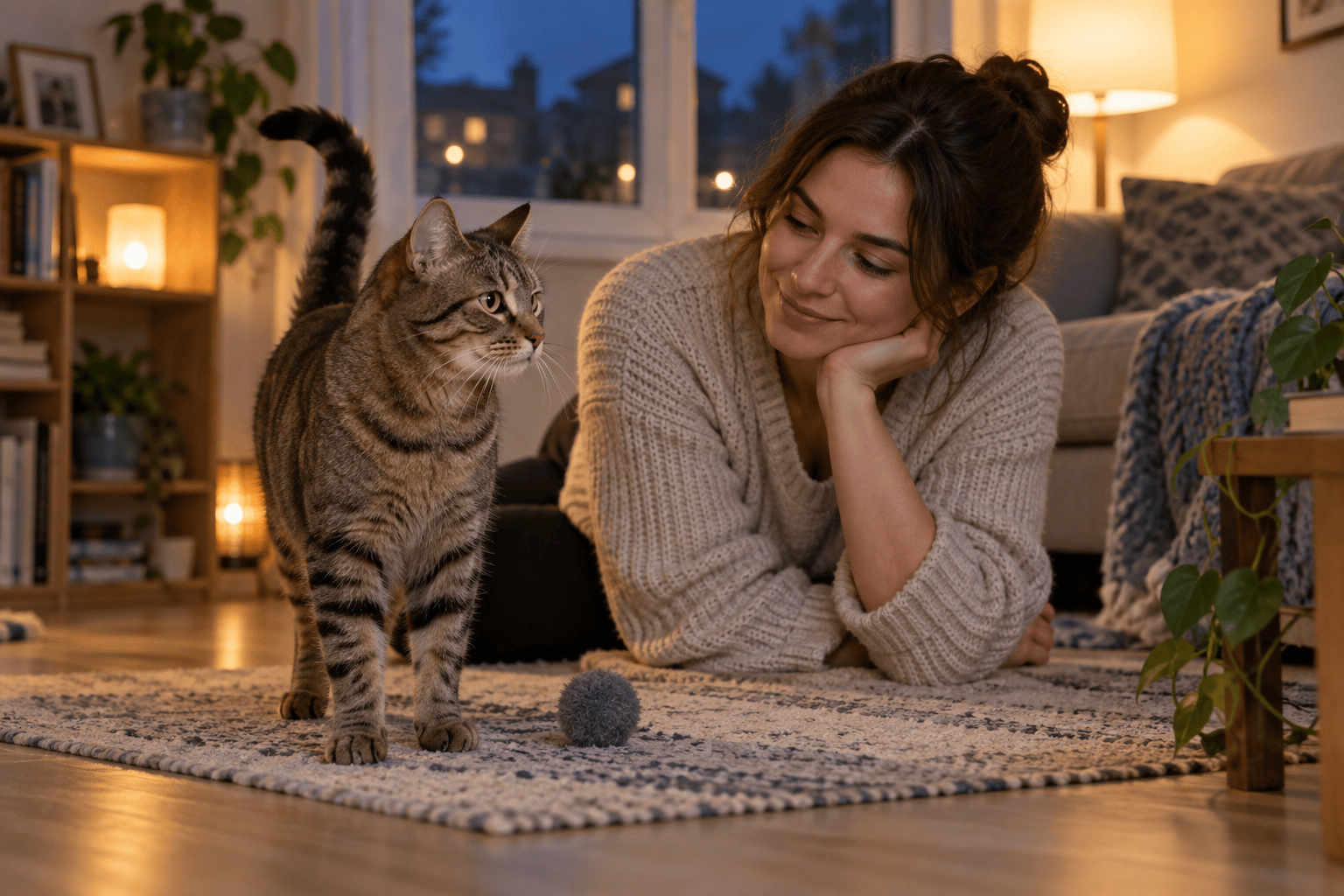
If your cat is older, has known eye trouble, or seems unsure in a new space, a modest steady light may make the route easier. Watch what actually helps your cat. Do not test their vision by plunging them into darkness or shining a bright flashlight into their eyes.
When is difficulty in the dark worth a vet call?
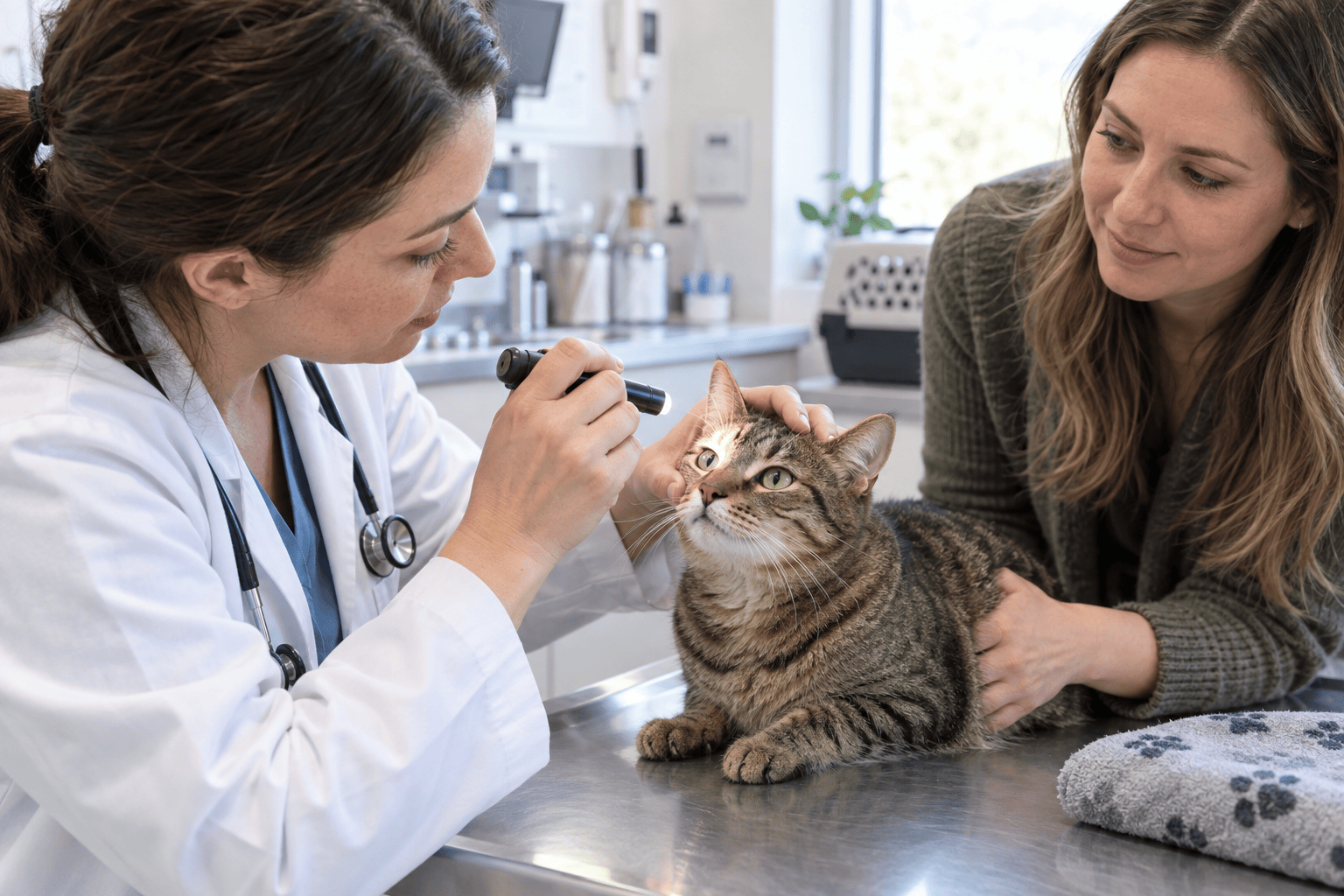
A cat who has always hesitated in a new, unlit room is different from a cat who suddenly starts bumping into familiar furniture, missing jumps, or seeming disoriented in ordinary lighting. Sudden change, squinting, redness, cloudy eyes, or eye discomfort deserve veterinary advice. Do not wait for a home darkness experiment to settle it.
So the useful answer is neither "cats are blind at night" nor "cats see in total darkness." They are superb at making use of some light. Give them a safe path, notice any change from their normal behavior, and let the myth end there.
Sources: Cats Protection on eyesight; VCA on cat senses; VCA on eyeshine; Cats Protection on blind cats.
Leave a Reply