
If you saw a video of a massive snake in Florida, you may have had one very specific thought: could that thing hurt my dog? The honest answer is yes, a Burmese python could prey on a dog. What a dramatic clip cannot tell you is how likely an encounter is.
Can a Burmese python actually eat a dog?
It is possible. The Florida Fish and Wildlife Conservation Commission (FWC) says Burmese pythons may prey on pets, including dogs and cats. They are large, nonvenomous constrictors. But “may prey on” is not the same as “frequently do.” FWC does not give a frequency for attacks on pets.
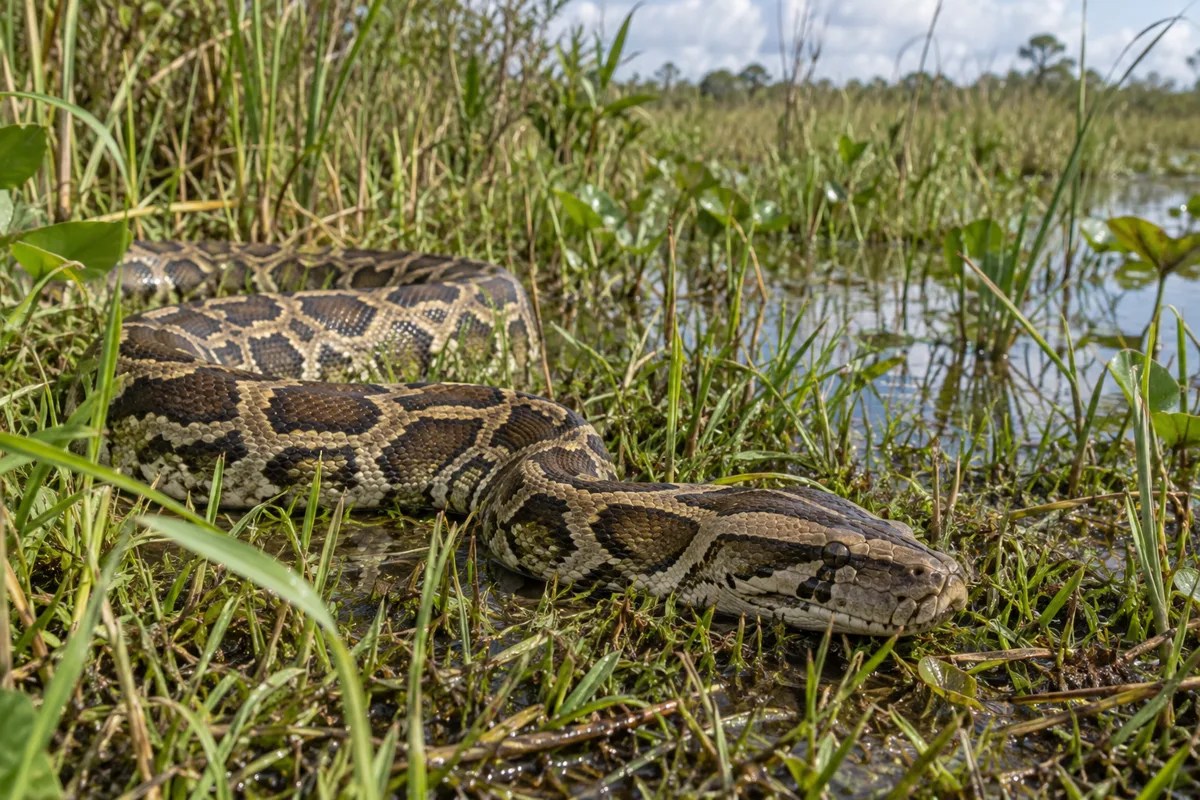
The size of the dog, size of the snake, and circumstances matter. There is no responsible “safe weight” rule. Do not let any dog investigate a large unidentified snake.
A Burmese python is not venomous, but its size and ability to constrict are concerns. If your dog has had physical contact with a large snake, get clear and call a veterinarian promptly.

Is this a concern everywhere in Florida?
No. FWC describes the established population in South Florida, historically centered on Everglades National Park. Its range description extends from just south of Lake Okeechobee to Key Largo and westward across parts of Broward and Collier counties. Outside that area, a python may be an escaped or released captive animal, and FWC evaluates new reports.
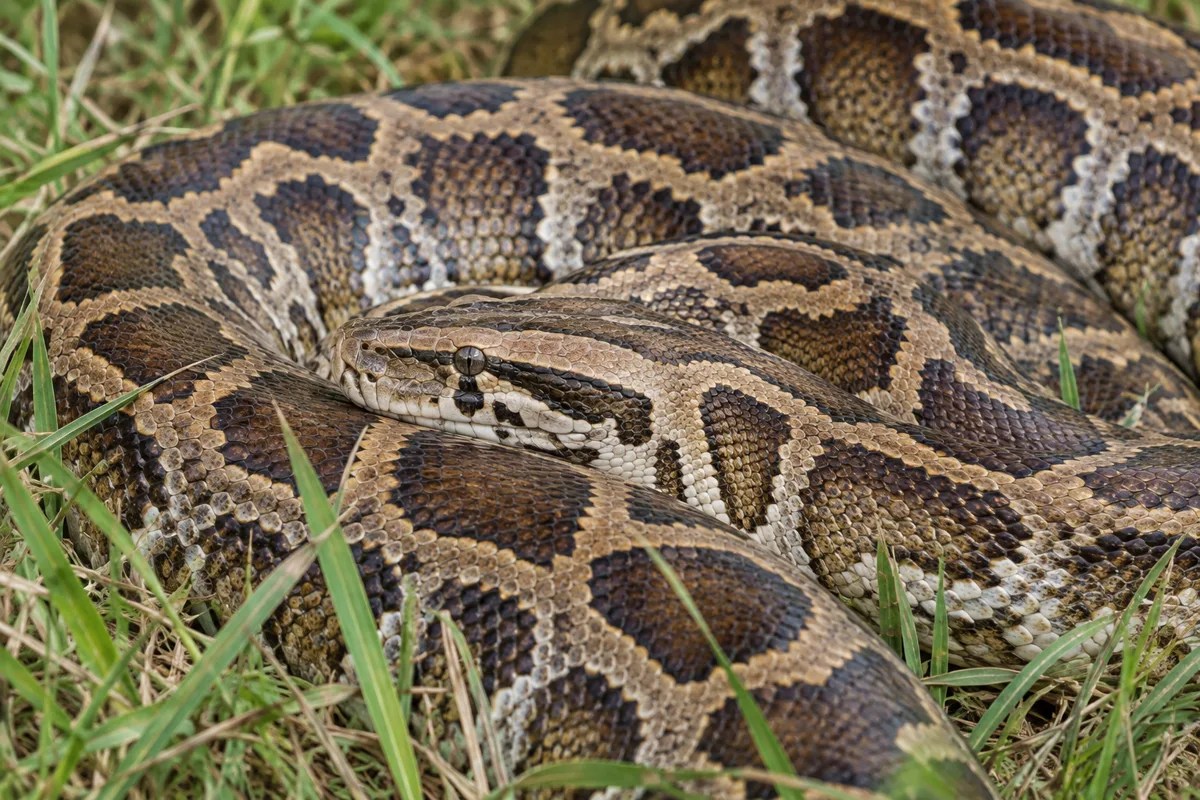
Being outside the Everglades is not a guarantee. It does mean that every Florida yard should not be treated as having the same risk. The National Park Service links the introduction of Burmese pythons to captive animals released or escaped. Never release an unwanted exotic pet; FWC has an amnesty program.
You spot a large snake while walking your dog. What now?
Put distance between your dog and the snake. Keep the leash short enough that your dog cannot run toward it, then turn around or take another route. Keep children and other pets away.

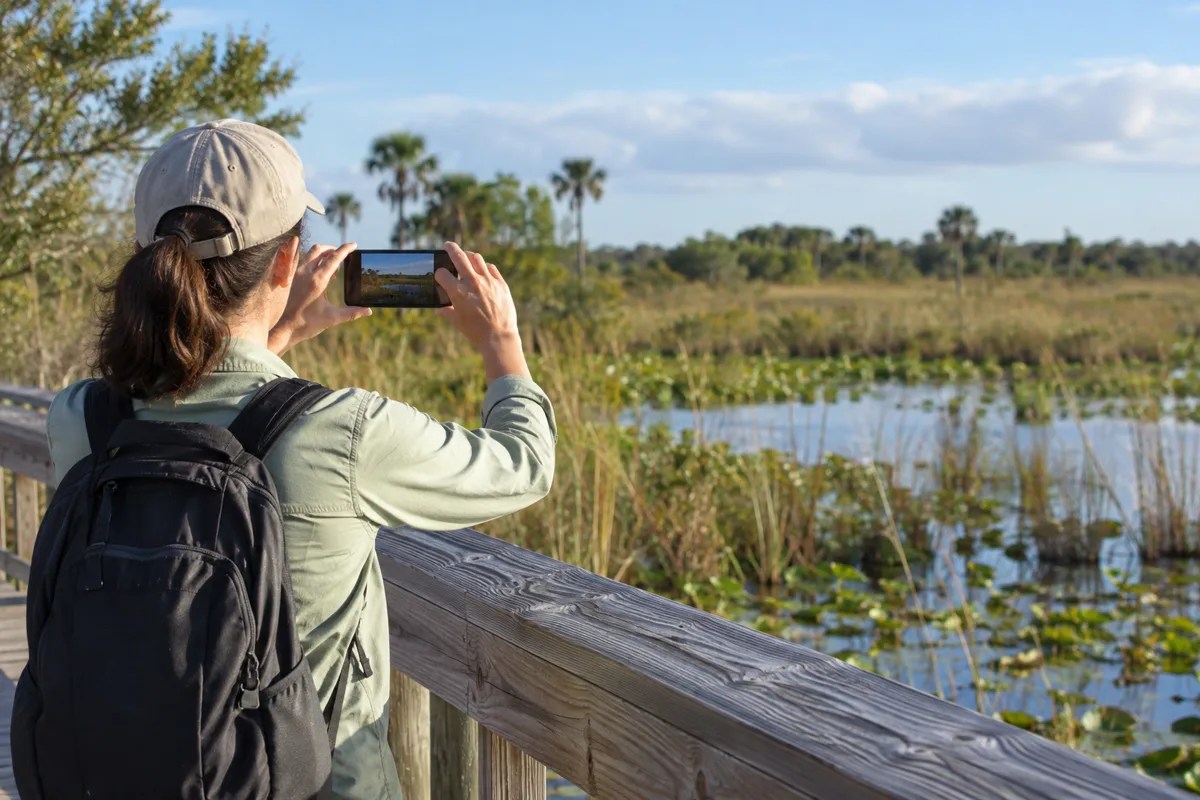
Do not try to pick up, pin down, relocate or kill an animal you are not trained to handle. FWC asks people who think they see a Burmese python to take a photo if safe, note the location and report it. The Exotic Species Hotline is 888-483-4681; FWC also lists the IveGot1 app and online reporting.
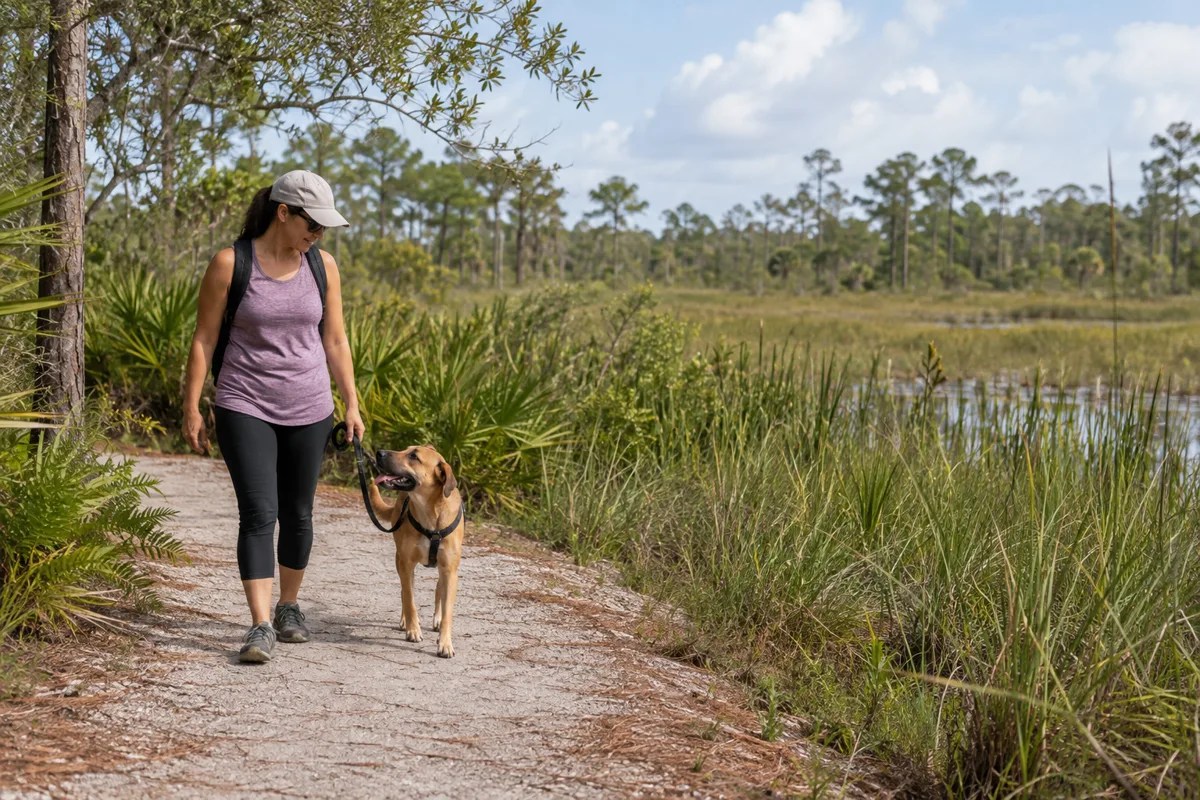
If a person is in immediate danger, call local emergency services. If your pet has been grabbed or injured, seek urgent veterinary guidance once you are clear.
A calmer routine for South Florida pet owners
You do not need to treat every walk as an emergency. Use a leash where you cannot see the ground ahead, supervise small pets outdoors, and check a yard or trail edge before letting a pet run into dense cover. These are precautions, not evidence that a python is nearby.

If you find a snake in the yard, bring pets inside first. Report a suspected python with its location rather than sharing only a dramatic photograph.

Quick answers
Are Burmese pythons venomous? No. Size and constriction, rather than venom, are the concern.
Do they regularly attack dogs? FWC says they may prey on pets, but does not quantify how often. Possibility is not a measured everyday risk.
Should I identify one up close? No. Keep your dog away. Photograph only from a safe distance and report the location.
Bottom line: Take a sighting seriously without turning an unmeasured risk into a panic headline. Secure your pet, create distance and report a suspected python.
Sources
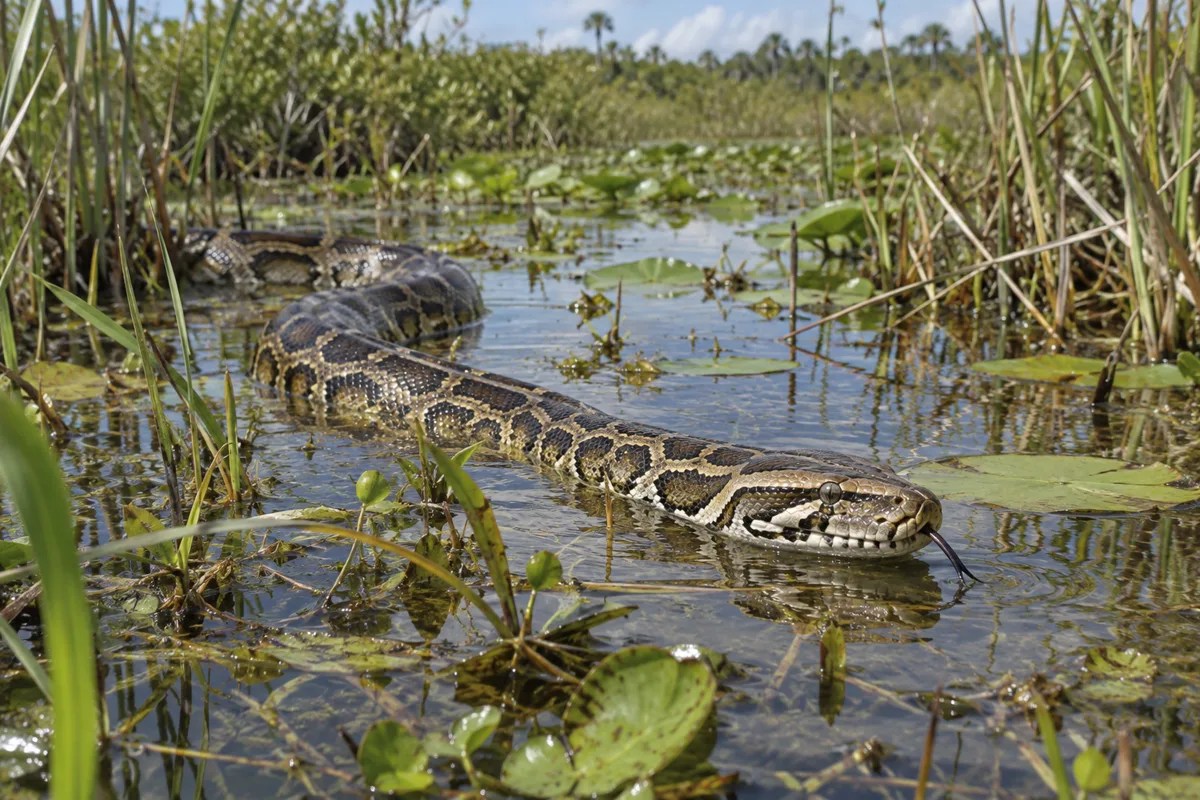
All images are AI-generated illustrations, not documentation of a specific incident.
Leave a Reply