

An indoor cat is not automatically a low-cost cat. The decision is usually not about outdoor risk. It is about whether you would rather pay a predictable premium for years or risk paying one unpredictable veterinary bill all at once.
Insurance can be useful when a large bill would strain your budget and you can afford both the premium and your share of a claim. A dedicated emergency fund can be a sensible alternative when you can save steadily and could pay a large early bill without disrupting essentials.
Decide in 30 seconds
| Check this first | Insurance may fit when… | An emergency fund may fit when… |
|---|---|---|
| One large vet bill | A surprise bill would force you to borrow, delay another bill, or drain essential savings. | You already have enough available savings to absorb a large early bill. |
| Monthly cost | You can keep paying the premium even in years without a claim. | You would rather direct that fixed monthly amount into a dedicated reserve. |
| Upfront payment | You can pay the clinic first if the plan reimburses after a claim. | You have cash or credit available for urgent care. |
| Existing symptoms | The insurer has confirmed in writing how your cat’s history will be treated. | A likely exclusion makes the policy less useful for the risk you are worried about. |
Three situations that make the answer clearer
Your cat is healthy, but a four-figure bill would hurt
This is the clearest case for comparing insurance. The policy may not cover everything, but it can reduce the impact of a covered, unexpected expense. Verify the deductible, reimbursement percentage, annual limit, waiting period, and what you would have to pay before reimbursement arrives.
You can build a real emergency fund
If you can set money aside every month and would be able to use it early, self-funding can work. It means keeping a separate, protected vet reserve and accepting that the first expensive year could use much of it.
Your cat already has a symptom or medical history
Pause before looking at the headline price. A prior diagnosis, treatment, medical advice, or related symptom may affect a claim under the policy’s pre-existing-condition definition. Ask the insurer in writing about the exact issue you are concerned about.

The 7 things that change what insurance really costs
1. The yearly premium, not the introductory monthly number
Multiply the quoted monthly premium by 12, then ask what could change at renewal. Monthly cost can vary by the pet’s age, breed, location, selected coverage, and deductible. The useful question is not “Can I afford this this month?” It is “Would I still choose this payment two or three years from now?”
2. The deductible you pay before reimbursement starts
A lower deductible can mean a higher premium. A higher deductible can reduce the premium but leaves more of the first covered bill with you. Confirm whether it is annual, per condition, per incident, or calculated another way.

3. Your share after the deductible
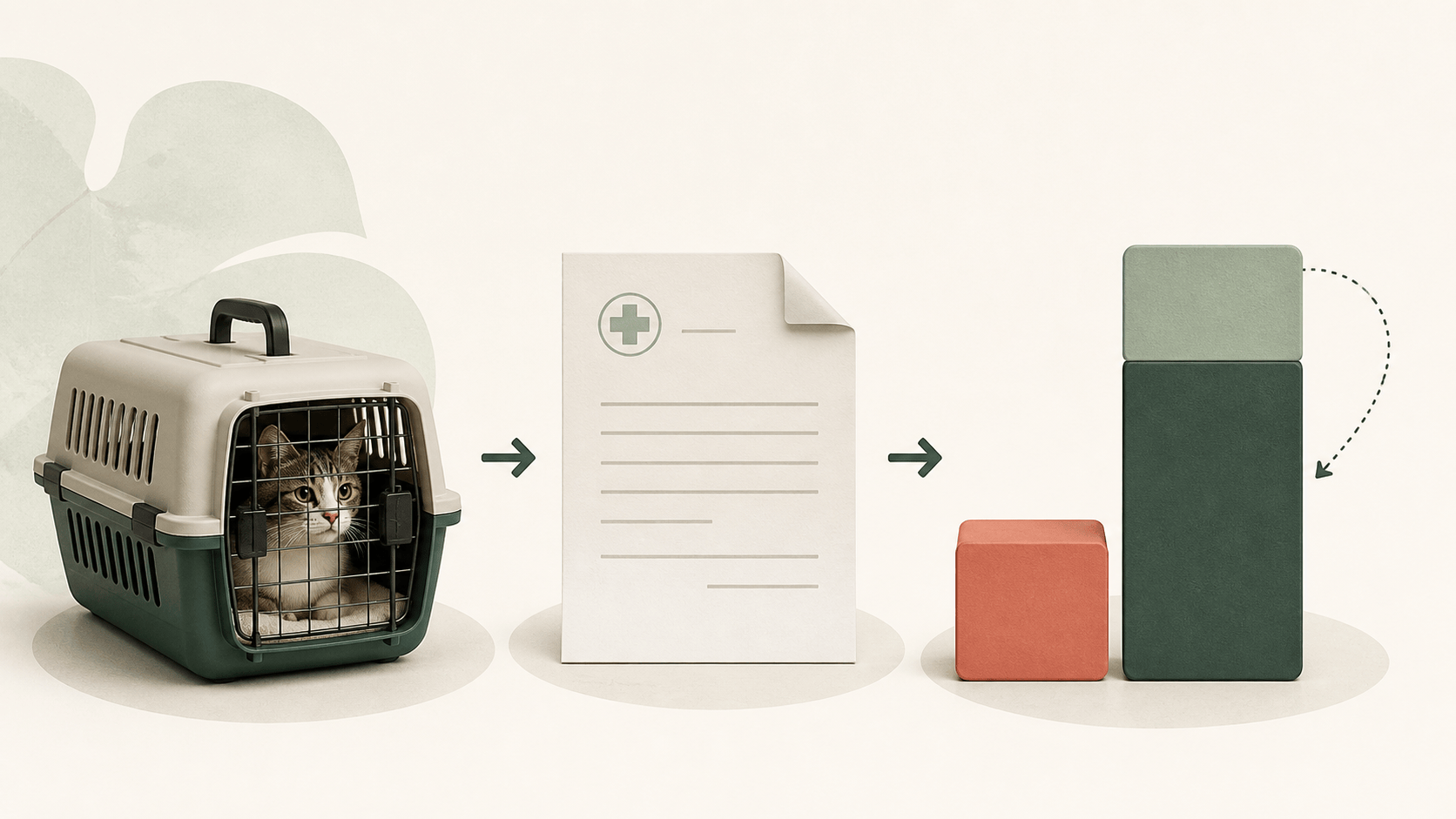
Many plans reimburse a percentage of eligible expenses, but the policy decides what is eligible and how payment is calculated. Example only: on a covered $2,000 invoice with a $500 annual deductible remaining and 80% reimbursement after that deductible, the illustrative reimbursement is $1,200. Your out-of-pocket amount would be $800: the $500 deductible plus 20% of the remaining $1,500.

4. The limit that ends the benefit
Read the maximum reimbursement before treating a plan as unlimited protection. An annual, lifetime, per-condition, or category-specific limit can change the value of the policy after a major emergency or chronic condition.
5. The waiting period after enrollment
Coverage may not begin the day you buy a policy. Waiting periods can differ by accident, illness, or condition. Do not buy because you are worried about a symptom today and assume that issue will be covered next week.
6. The exclusions you may assume are included
Routine care, preventive care, some dental treatment, behavioral care, elective procedures, breeding-related costs, or other services can be excluded or available through a separate wellness program. Compare a wellness program as a separate cost.



7. The cash you need on the day of treatment
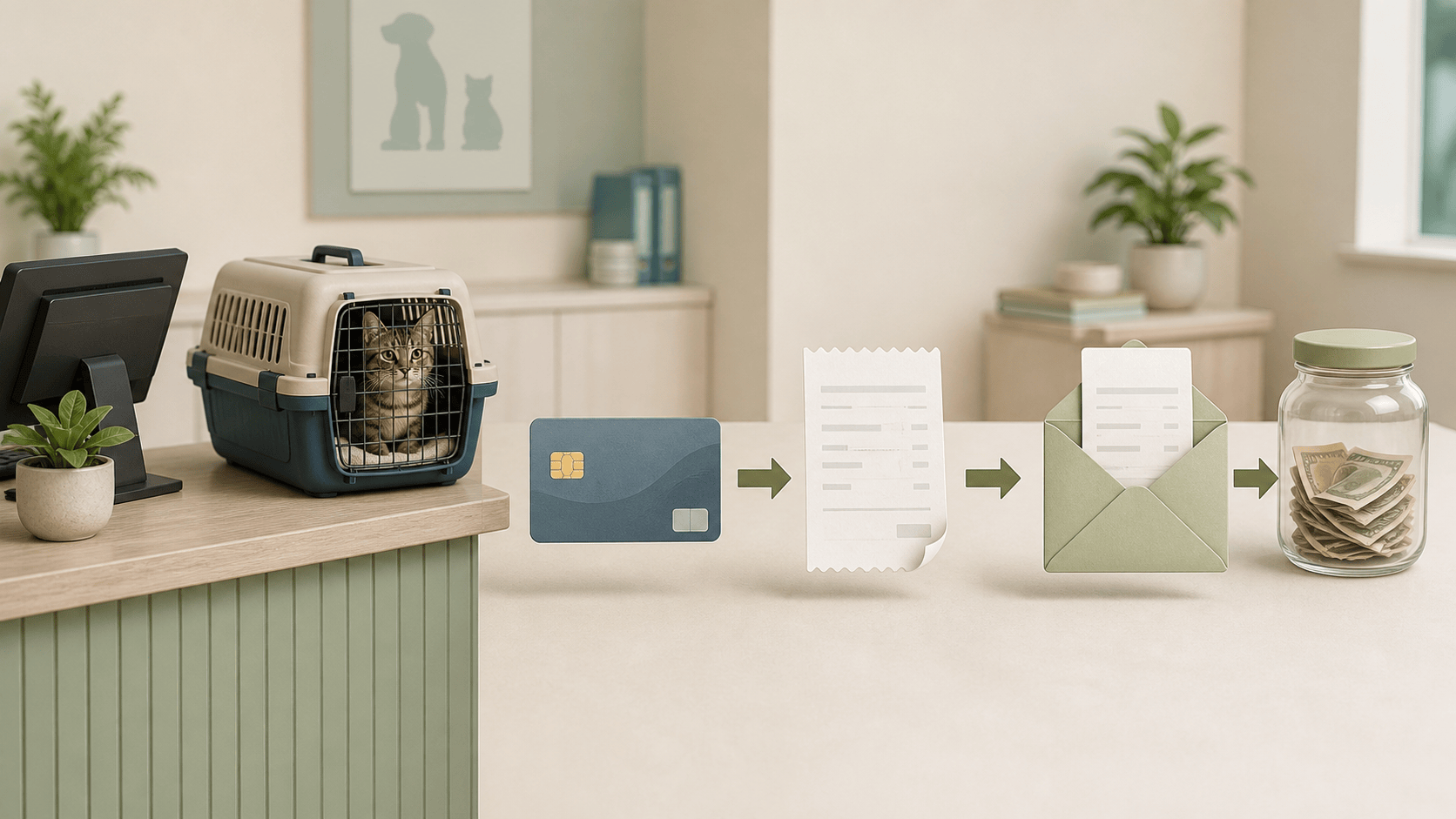
Many plans reimburse after you submit a claim, although arrangements vary. Confirm whether you can use your preferred veterinarian, whether the clinic must be paid first, what records are needed, and how claims are submitted. Insurance cannot solve a same-day emergency if you cannot cover the upfront bill or make an arrangement with the clinic.
The policy page to read before you compare prices
Do not start with a quote page alone. Find the insurer’s sample policy or policy wording and record these items side by side.
| Record this | Why it matters |
|---|---|
| Premium today and renewal factors | A cheap first month does not show the long-term cost. |
| Deductible method | Annual, per-condition, and per-incident deductibles create different out-of-pocket results. |
| Reimbursement formula | A stated percentage is not useful until you know which expenses are eligible. |
| Limits, exclusions, and waiting periods | The timing and services you expect may not match the policy. |
| Upfront payment and claim process | Reimbursement later is different from having money available at the clinic. |
A practical choice, without pretending there is one answer
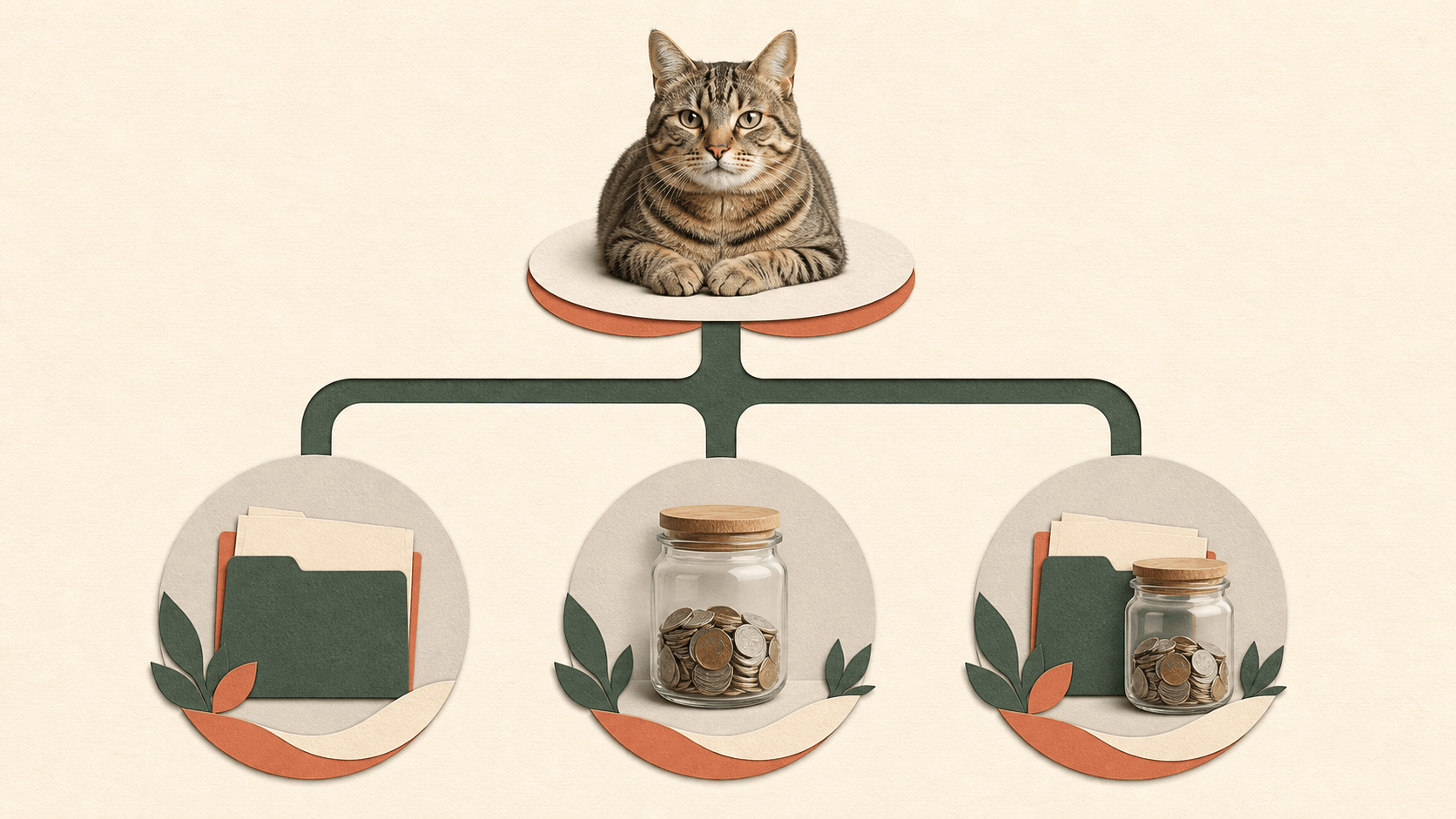
Choose insurance when it protects you from a bill that would otherwise put your finances in a difficult position, and only after you understand the exact policy’s exclusions and limits. Choose a dedicated emergency fund when you can build it consistently, keep it separate, and accept the risk of paying a large early bill yourself. Some owners use both: a fund for routine care and a policy for a larger risk they would not want to self-fund alone.
Before you buy: five-minute checklist
- Get quotes using the same cat age, location, deductible, reimbursement percentage, and limit.
- Put the yearly premium, deductible, reimbursement percentage, and limit into one comparison table.
- Read the sample policy’s waiting-period and exclusions sections, not only the quote screen.
- Ask about any previous symptom, diagnosis, or treatment in writing and keep the answer.
- Decide how you would pay the clinic before reimbursement is processed.