Tag: dog behavior

  • Why Does My Dog Eat Poop? 6 Reasons – and the First 5 Things to Change

    Why Does My Dog Eat Poop? 6 Reasons – and the First 5 Things to Change

    You are not the only person who has had to turn a dog around mid-walk after it went for something you would rather not think about. The behavior has a name, coprophagia, but one episode cannot tell you why it happened.

    The first job is not guessing the cause. It is preventing another bite safely, cleaning up the target, and noticing whether this is puppy exploration, an easy-access habit, or a new pattern with other health changes.

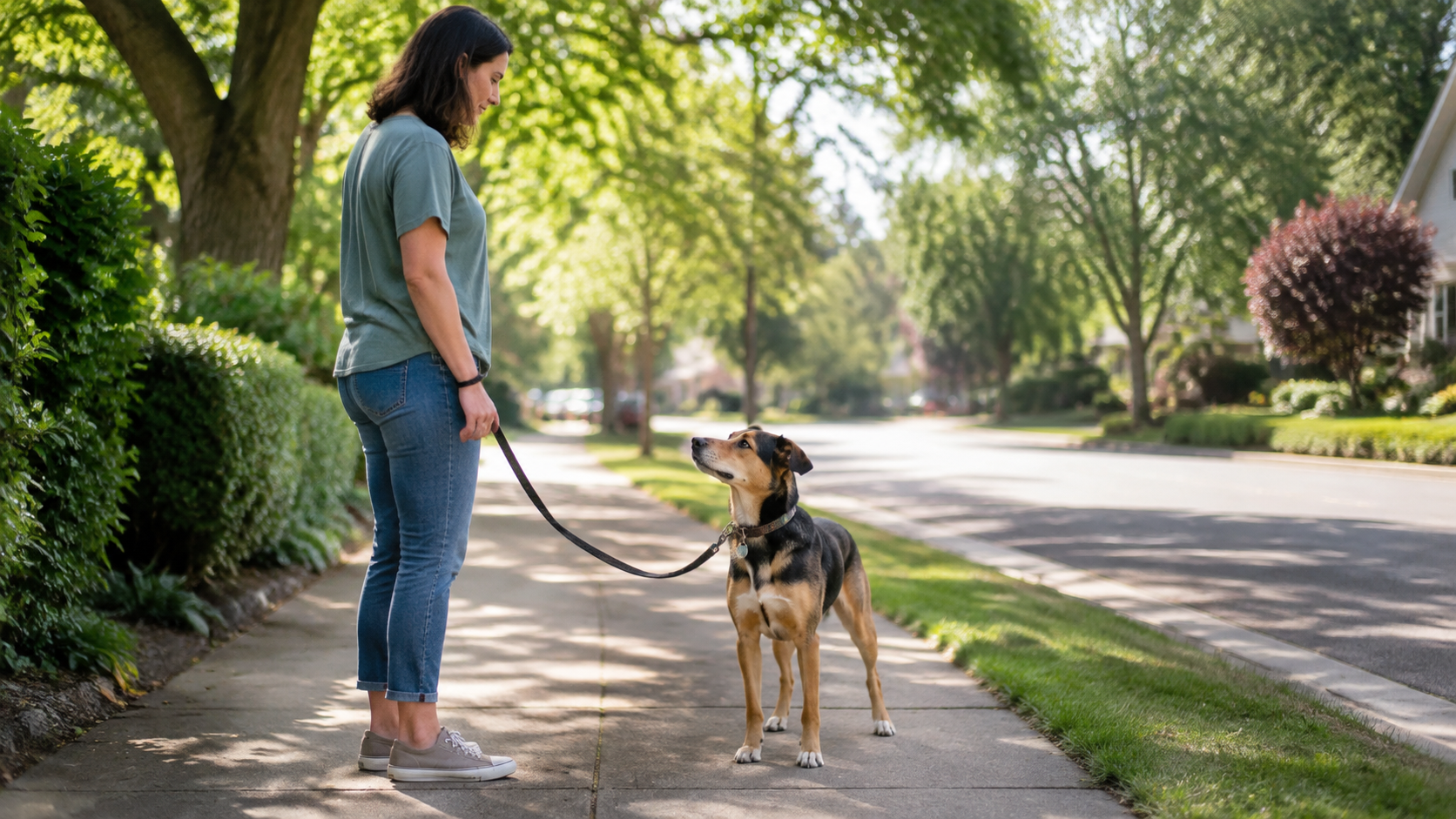
    Owner calmly redirecting a dog during a neighborhood walk
    A calm turn-away is more useful than a chase or a shout.

    Quick answer: what to do the next time it happens

    Calmly move your dog away with a familiar leash cue or practiced turn. Pick up the stool or block access as soon as it is safe. Avoid yelling, chasing, or forcing the dog’s mouth open. Make a note of where it happened, whose stool it was if known, whether it is new, and whether anything else has changed.

    If your dog may have eaten a toxin, human medication, a foreign object, or unknown animal waste, get guidance from a veterinarian or poison-control professional for that specific exposure. Not every incident is an emergency, but it is not a behavior to leave available.

    Use this 30-second check before you buy anything

    What you see Start here Why it changes the plan
    A puppy investigates or eats stool occasionally, otherwise feels well and has a normal diet and routine Tighten supervision, immediate pickup, and reward a turn-away cue Exploration and easy access are practical starting points
    A dog repeatedly seeks stool on walks, in the yard, or from a cat litter box Prevent access consistently and identify the exact setting The environment may be maintaining a repeatable habit
    A new adult behavior with weight change, increased appetite, poor stool quality, vomiting, diarrhea, medication change, or other illness signs Contact a veterinarian The behavior is part of a wider health picture

    Cat-litter access is a home-setup problem, not an obedience test. Make the litter area unavailable to the dog while keeping it easy and safe for the cat to use.

    Owner supervising a dog in a clean backyard
    Prompt pickup removes the opportunity before it becomes a routine.

    1. Puppies investigate with their mouths

    Puppies explore with their noses and mouths. Some investigate stool and some may eat it. That does not mean every puppy will keep doing it, and it does not mean stool from another animal is harmless.

    Treat it like any other unsafe outdoor item: supervise, pick up promptly, interrupt calmly, and reward the puppy for turning toward you or moving to an allowed activity. Practice the cue away from real stool first.

    Puppy practicing a calm turn-away cue outdoors
    Practice the alternative response before a real walk tests it.

    2. The stool itself may be an easy scavenging target

    Dogs do not judge stool the way people do. Fresh dog stool, cat litter, horse manure, wildlife droppings, unsecured trash, and a poorly cleaned yard can all become easy scavenging targets. The first solution is access management rather than trying to make every target taste bad.

    On walks, keep the dog close enough to see what it is investigating. In the yard, pick up routinely. In a multi-pet home, keep the dog physically out of the cat’s litter area.

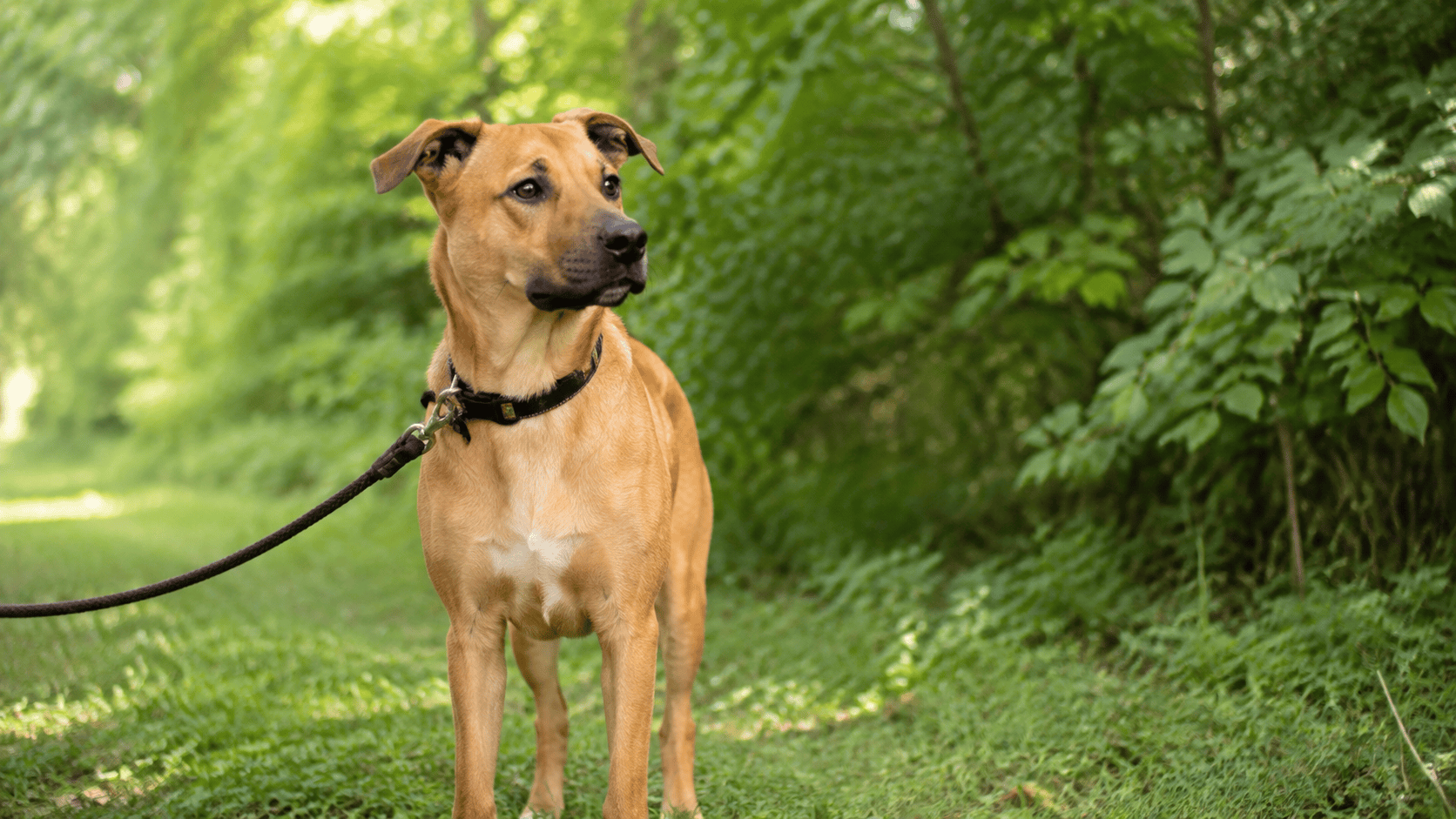
    Dog walking with an owner on a clean path
    A predictable walking setup gives you time to redirect early.

    3. The routine may be accidentally rewarding the behavior

    For some dogs, a shout, chase, or frantic grab can turn the moment into attention or a game. That is not always the reason, but it is a reason to keep your response boring and predictable.

    Practice leave it, a U-turn, or a hand target with safe training objects first. Reward the dog for moving away and reconnecting with you. On a real walk, use the cue before the dog reaches the target, then remove the target as soon as you can.

    Dog practicing a leave-it cue with a reward
    Reward the move away from a target, not a confrontation over it.

    4. Another dog in the home may have a stool issue worth noticing

    If one dog repeatedly targets one other dog’s stool, the observation can be useful. Notice whether that stool is unusually loose, bulky, poorly formed, or seems poorly digested. Do not conclude that the other dog is ill, but include both facts when you speak with a veterinarian.

    Two dogs using separate feeding areas at home
    Track the exact source rather than assuming every stool-eating episode has the same cause.

    5. Stress, boredom, confinement, or reduced enrichment can contribute

    This behavior can occur more often when a dog spends long periods in an uncleaned small area, has less routine, or has too much unsupervised opportunity to scavenge. It is not a label for every dog that eats stool.

    Ask practical questions: Did outdoor breaks become rushed? Does it happen only when the dog is alone in the yard? Has the walk routine changed? Timely cleanup, supervised breaks, normal play, and safe sniff walks can reduce opportunity while you work on the behavior.

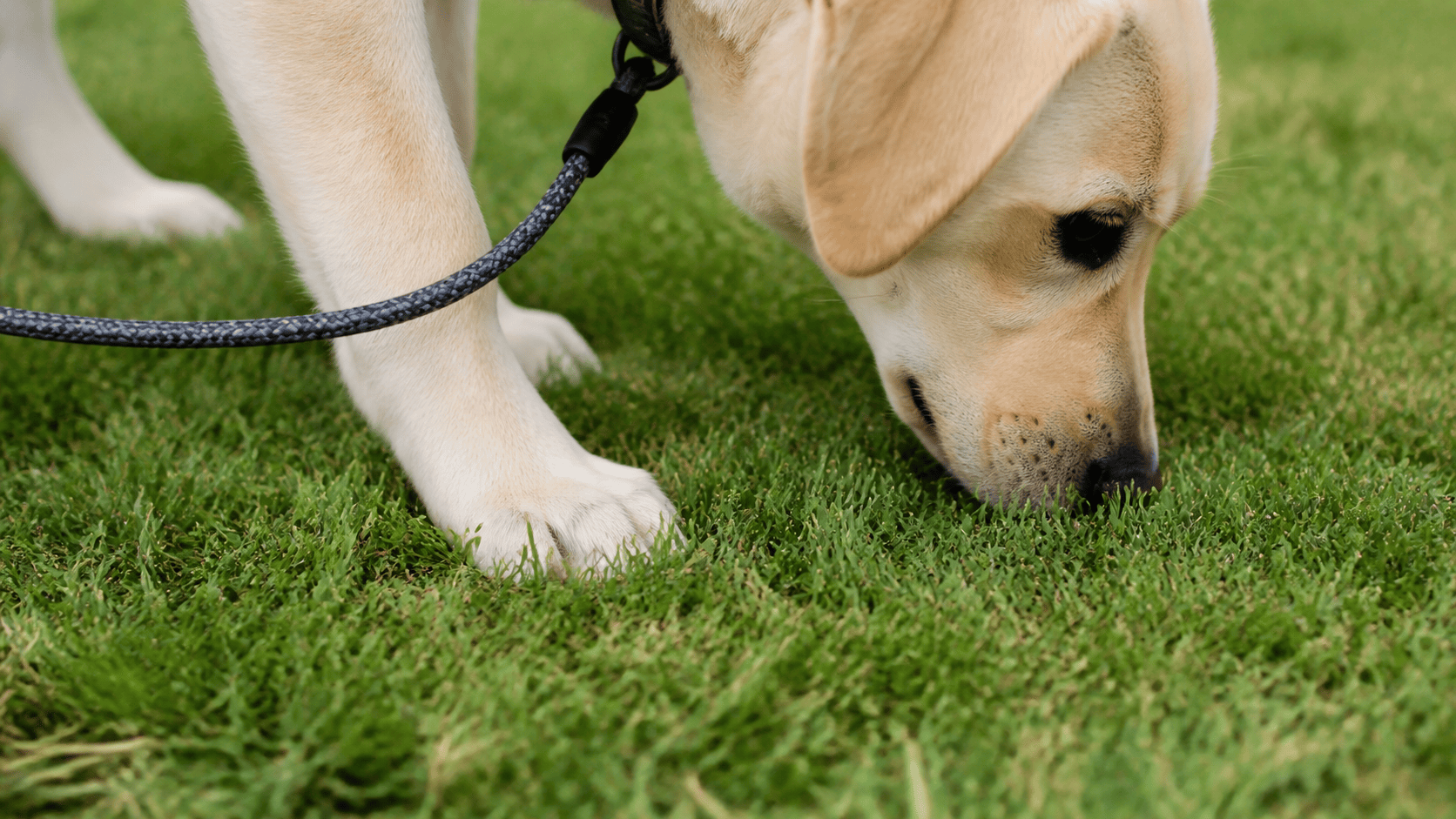
    Dog exploring safely on a supervised sniff walk
    Safe enrichment reduces unstructured scavenging opportunities.

    6. A new adult pattern needs a health check, not internet guessing

    Medical conditions, medication effects, digestive upset, reduced nutrient absorption, and increased appetite can contribute to stool eating. None can be diagnosed from this behavior alone. A new adult habit is a reason to look at the entire picture with a veterinarian.

    Bring a simple timeline: when you first saw it, what type of stool the dog seeks, diet and medication changes, and shifts in appetite, weight, drinking, stool quality, vomiting, diarrhea, energy, or other behavior.

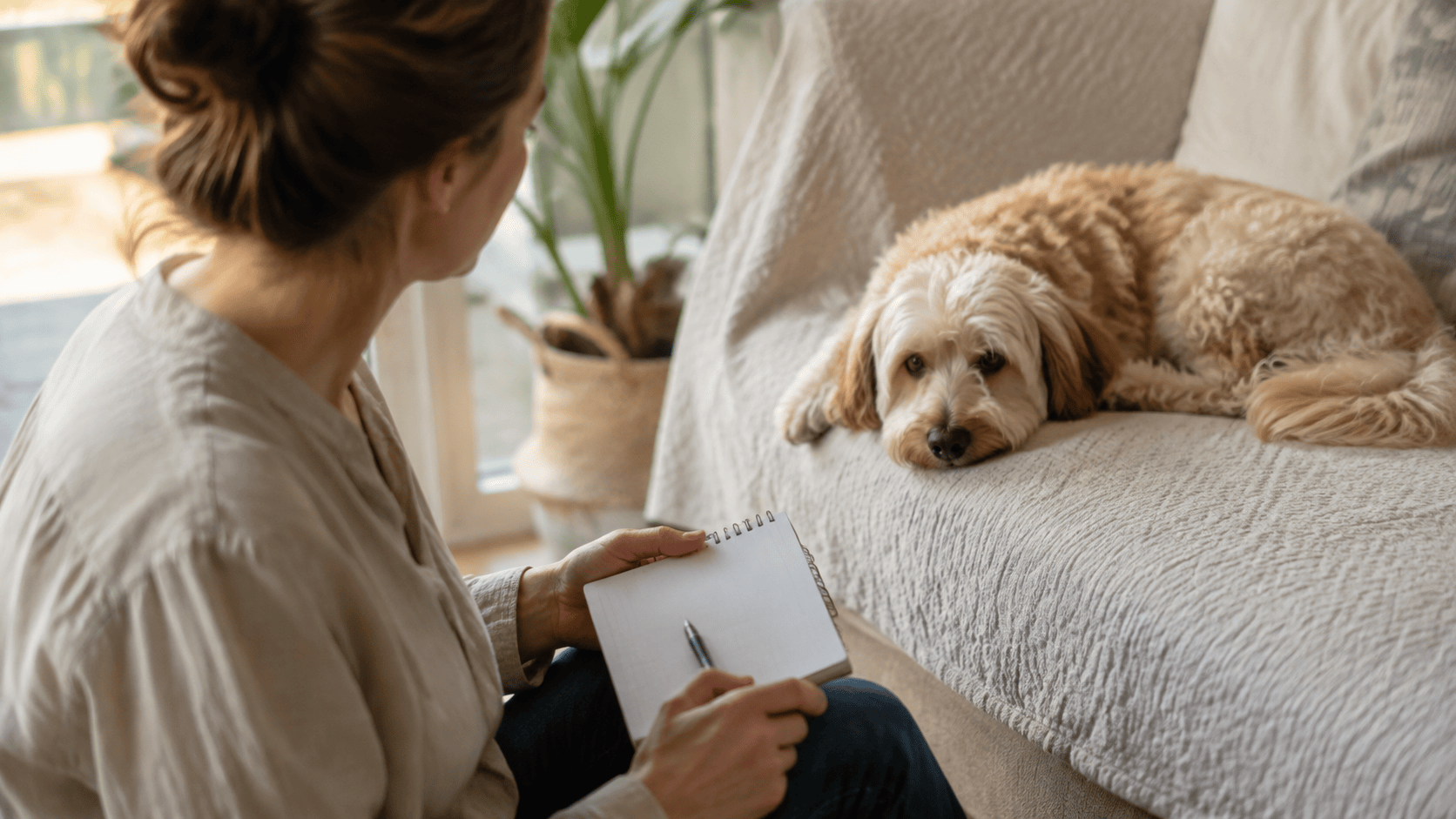
    Owner sharing behavior notes with a veterinarian
    A short timeline gives a veterinarian more than a single alarming moment.

    The first 5 things to change at home

    1. Pick up dog stool promptly in the yard and on walks.
    2. Prevent access to cat litter with a physical setup that remains safe for the cat.
    3. Use a leash or long line during retraining where that is safe and permitted.
    4. Practice leave it and a turn-away-and-reward routine away from stool.
    5. Track location, stool source, timing, and companion signs for one to two weeks or until your veterinary conversation.
    Do not: punish the dog, rub its nose in stool, add hot sauce, pepper, garlic, bitter substances, or other unsafe aversives to stool, or start supplements without veterinary guidance.
    Protected cat litter area separated from a dog
    Physical access control is more reliable than asking a dog to ignore an available target.

    When to call the vet about stool eating

    Book a veterinary visit or call promptly for new adult onset, frequent or repetitive behavior, new appetite, weight, drinking, stool, or energy changes, vomiting or diarrhea, or a possible medication connection.

    Seek urgent professional advice for suspected toxin or medication ingestion, foreign material, collapse, severe weakness, repeated vomiting, severe diarrhea, or another acute illness sign. The right response depends on the exact exposure and your dog’s full condition.

    Questions owners ask

    Can my dog get sick from eating poop?

    Feces can expose a dog to parasites, pathogens, or substances from another animal’s diet or treatment. Risk depends on the source and amount. Prompt cleanup and preventing access are practical first steps. If the source is unknown or the dog develops illness signs, contact a veterinarian for situation-specific advice.

    Why does my dog only eat cat poop?

    Cat litter boxes are easy-access scavenging spots for some dogs. The useful response is a physical household barrier that still lets the cat use the box safely, plus prompt litter maintenance. It is not a sign that your dog is trying to upset you or that you need to punish it.

    Should I make my dog vomit after it eats poop?

    Do not induce vomiting unless a veterinarian or poison-control professional tells you to do so for that exact exposure. Different sources and materials create different risks, and home vomiting attempts can add harm.

    Will my dog stop eating poop if I change its food?

    Do not treat a food change as an automatic solution. Some dogs have an access or routine problem, while a new adult pattern may need a health assessment. Start by preventing access and noting the full pattern.

    Bottom line

    Make stool hard to access, practice a calm alternative response, and avoid punishment. A puppy’s one-time investigation and a new, frequent adult pattern do not mean the same thing. When the behavior is new, persistent, or paired with health changes, involve a veterinarian instead of guessing.

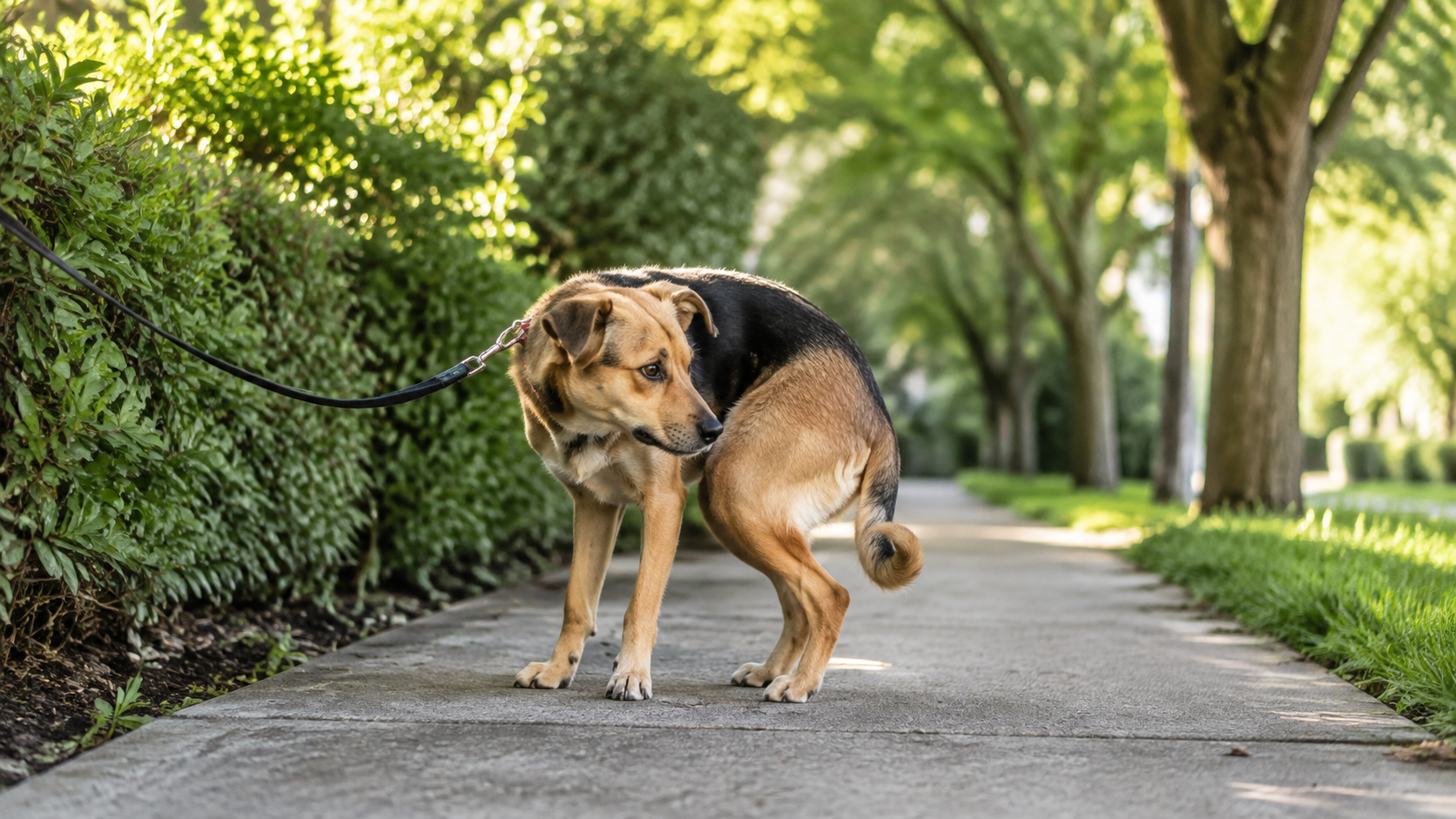
    Relaxed dog at home after a supervised walk
    A consistent routine helps replace a scavenging opportunity with a predictable next step.
    Research note: This article is educational information, not veterinary diagnosis. Sources include VCA Animal Hospitals, American Kennel Club, and Merck Veterinary Manual. Affiliate disclosure: Pet Tech Compass may earn a commission from qualifying links, at no extra cost to you.
  • Why Do Dogs Circle Before They Poop? 5 Reasons – and 4 Signs It Is Not Just a Routine

    Why Do Dogs Circle Before They Poop? 5 Reasons – and 4 Signs It Is Not Just a Routine

    Dog making a small circle on a leafy sidewalk before pooping
    A quick turn before pooping is a familiar part of many dogs’ walk routine.

    Reviewed September 4, 2026 · Dog behavior guide

    Your dog has found a patch of grass, sniffed it, turned once, then turned again. It can look like a very serious ritual for something so ordinary. Usually, a few circles are simply part of choosing a spot and getting settled. The useful question is not whether every turn has one hidden meaning. It is whether the routine is brief and comfortable, or suddenly long, repeated, and paired with trouble actually passing stool.

    The short answer

    Most dogs circle before pooping to check a spot, work through a familiar routine, or get comfortable before squatting. Let a normal, brief routine happen. Pay closer attention if your dog repeatedly tries but cannot poop, appears painful, passes blood, vomits, or seems unwell.

    Use this 30-second check

    What you see Most useful next move
    A few circles, sniffing, then a normal stool Let the dog finish and continue the walk.
    Choosing between grass patches or moving away from a busy spot Give the dog a little leash slack and time to choose a clean, quiet place.
    Repeated attempts with little or no stool Contact a veterinarian for advice, especially if the pattern is new.
    Straining, pain, vomiting, lethargy, blood, or a swollen-looking abdomen Seek veterinary guidance promptly; do not treat it as a quirky habit.
    Visual comparing a normal brief dog circle, repeated straining, and a veterinary call
    The key distinction is a relaxed, successful routine versus an uncomfortable or unsuccessful attempt.

    1. Your dog is checking the surface

    Dogs use smell to gather a great deal of information. Sniffing and turning can be part of deciding whether a patch of ground feels usable before they squat. The American Kennel Club notes that dogs may circle to find a cleaner or more comfortable surface. That does not mean every dog is following an exact rule. Some will turn once, some several times, and some will simply stop.

    Dog sniffing a clean grass patch before choosing where to poop
    Sniffing can be part of choosing a spot, not a sign that a dog is being difficult.

    2. The spot may need to feel comfortable

    Tall grass, uneven ground, a wet patch, or a place that feels too exposed can make a dog keep looking. A small turn can help a dog adjust its feet and choose a position. The behavior is similar to the ordinary circles many dogs make before lying down: a familiar preparation routine, not proof that anything is wrong.

    Dog calmly turning on a park path before toileting
    A brief turn can be one part of getting comfortable in a chosen spot.

    3. The dog may be checking the surroundings

    Squatting leaves a dog less able to move quickly. Some dogs pause, sniff, and look around before they settle. It is reasonable to treat this as one possible comfort or safety check, not a certainty about what the dog is thinking. Give the dog room instead of pulling it toward a spot just because the walk needs to move on.

    Dog sniffing between two grass patches on a neighborhood walk
    Allowing a safe choice of location can make a bathroom break easier.

    4. Smells can make one place more interesting than another

    For dogs, a bathroom break is also a scent-rich moment. The American Kennel Club explains that scent glands near the anus and in the paws can be part of the broader communication around toileting. That can explain why a dog spends time sniffing or returns to a familiar route. It does not mean the dog is deliberately sending a message every time it turns.

    Alert but relaxed dog checking a quiet green area on leash
    Environment, scent, and a dog’s comfort can all shape how long it takes to settle.

    5. A brief circle can simply be part of the routine

    Dogs repeat routines that lead to a comfortable result. If your dog usually sniffs, makes two turns, poops normally, and walks away relaxed, that pattern generally needs no correction. The number of circles matters less than the change from your dog’s usual behavior and whether it can pass stool comfortably.

    Relaxed dog walking beside its owner after a normal bathroom break
    A dog that finishes normally and walks away relaxed is telling you more than the number of turns did.

    When circling deserves a closer look

    Circling alone does not diagnose constipation, pain, or a blockage. The concern is a repeated unsuccessful attempt or a broader change in how your dog feels. VCA and the Merck Veterinary Manual list straining, pain when attempting to defecate, and firm or dry stool among constipation signs.

    1. Repeated squatting or straining with little or no stool produced.
    2. Vocalizing, obvious pain, or a sudden reluctance to squat.
    3. Blood in the stool, vomiting, loss of appetite, lethargy, or abdominal discomfort.
    4. A new pattern that continues, especially with hard, dry, very thin, or unusual stools.

    Do not give laxatives, enemas, or a new supplement based only on an online behavior article. A dog that looks as though it is straining to poop may also have a urinary problem, and the cause matters.

    Owner observing a dog repeatedly circling on a lawn
    Repeated, uncomfortable-looking circling calls for observation of the whole pattern, not an online diagnosis.

    Make outdoor bathroom breaks easier

    1. Build in a few unhurried minutes at the beginning and end of a walk.
    2. Use a calm area when possible, especially for a shy dog.
    3. Let the dog sniff and choose between safe, clean patches rather than constantly redirecting it.
    4. Notice what is normal for that dog: how long it takes, stool appearance, and whether it walks away relaxed.
    5. Record a new repeated pattern and any accompanying signs before you call the veterinary team.
    Owner making notes while a dog rests nearby
    A short note about what changed can make a veterinary conversation more useful.

    Do not punish a dog for taking a few turns. The goal is not to make toileting perfectly efficient. The goal is to notice when the routine has become effort, pain, or an unsuccessful attempt.

    Quick questions owners ask

    Do dogs really align themselves with Earth’s magnetic field before pooping?

    That idea is often repeated online, but it is not useful as a practical explanation for an individual walk. A dog’s surface choice, comfort, scent, distraction level, and bowel urgency are more actionable observations.

    How many circles are too many?

    There is no universal number. A few relaxed turns followed by a normal stool are different from persistent circling, repeated squatting, or straining without producing stool.

    Should I pull my dog toward one spot?

    Not unless safety requires it. Give the dog a little time to settle. If it is unable to pass stool or looks uncomfortable, end the guessing and contact a veterinarian.

    Bottom line

    A short pre-poop circle is usually a normal dog routine. The useful distinction is not “circling or no circling.” It is relaxed selection of a spot versus repeated, uncomfortable, or unsuccessful attempts to defecate. Watch the whole pattern, then act on the signs that actually change the next step.

    Veterinarian speaking with an owner while a relaxed dog stands nearby
    A continued change deserves a calm, specific conversation with a veterinary professional.
    Research note: This article is educational information, not veterinary diagnosis. Sources reviewed include American Kennel Club, VCA, and the Merck Veterinary Manual. Affiliate disclosure: Pet Tech Compass may earn a commission from qualifying links, at no extra cost to you. This article does not recommend a product.
  • Why Do Dogs Eat Grass? 5 Common Reasons – and 4 Times to Call the Vet

    Why Do Dogs Eat Grass? 5 Common Reasons – and 4 Times to Call the Vet

    A leashed dog calmly sniffing and nibbling untreated grass beside its owner
    Occasional grass eating can be common, but where the grass came from matters.

    Seeing your dog stop mid-walk to chew grass can look alarming, especially if they later gag or vomit. The useful question is not whether every blade is a problem. It is whether this is occasional, calm grazing in a safe place, or a new pattern with symptoms or a risky lawn.

    The short answer

    Many dogs eat grass sometimes, and the reason is not always clear. It can be ordinary curiosity, taste, scavenging behavior, or something that fills an otherwise quiet moment. It is not reliable evidence that a dog is trying to vomit or missing a nutrient. The bigger risks are treated grass, unknown plants, repeated frantic eating, and any illness that comes with the behavior.

    Use this 30-second check

    What you see Most useful next move
    A dog occasionally nibbles untreated grass and stays bright and normal Observe, redirect if you prefer, and keep the walk moving.
    The lawn may have herbicide, pesticide, fertilizer, or unknown plants Do not allow access; choose another route or area.
    The dog suddenly gulps grass, vomits repeatedly, or seems uncomfortable Contact a veterinarian for guidance.
    Grass eating comes with lethargy, diarrhea, belly pain, blood, fever, or appetite changes Seek veterinary advice promptly.
    A visual showing observe, stop access, and call a veterinarian decisions
    Start with the pattern, the environment, and any symptoms you can observe.

    1. Some dogs simply like the texture, scent, or routine

    Dogs investigate the world with their mouths as well as their noses. Fresh or damp grass has a strong smell and a texture some dogs seem to enjoy. A dog that takes a few bites on the same part of a normal walk and then moves on may simply have built the habit into its routine.

    That does not mean you have to allow it everywhere. A calm habit is still worth redirecting around roadsides, shared dog areas, gardens, and any lawn whose treatment history you do not know.

    A relaxed dog sniffing short grass in a clean yard
    A quiet nibble from a bright, well dog is different from a sudden, urgent new behavior.

    2. It may be part of normal scavenging behavior

    Dogs are not strict carnivores, and plant eating is observed in canids. VCA Animal Hospitals describes grass eating as common and notes that it can reflect scavenging behavior rather than an illness. That is why two healthy dogs on the same balanced food can behave differently around grass.

    The important distinction is ordinary interest versus loss of control. A dog that can turn away when you cue them is a different situation from a dog urgently gulping grass on every outing.

    A concerned owner redirecting a dog away from repeated grass eating
    Redirect calmly when the behavior is repetitive or the area is not known to be safe.

    3. Boredom or a low-stimulation walk can make grass available entertainment

    Some dogs eat grass when they are waiting in a yard or moving slowly through a familiar route. That does not prove boredom, but it is a useful pattern to test. Try a more active walk, brief sniffing games, or a calm change of direction. If grass eating fades when the walk becomes more engaging, the routine may be part of the answer.

    Avoid turning the moment into a chase or scolding event. A quiet cue such as “let’s go,” followed by movement and a reward for coming with you, is more useful.

    Owner cueing a dog to turn away from grass during a walk
    A small turn-away cue is more useful than a chase or scolding moment.

    4. Stomach discomfort can be part of the picture, but grass is not a diagnosis

    Some dogs that feel nauseated do eat grass, and some vomit afterward. The order matters: a dog may vomit because they already felt unwell, or after eating the grass. VCA notes that most grass-eating dogs are not ill beforehand and do not vomit afterward, so the behavior alone does not tell you which explanation applies.

    Do not use grass eating as a reason to start supplements, add fiber, or change food on your own. Look at the whole picture instead: appetite, stool, energy, timing, frequency, and whether the behavior is new.

    Owner making notes while a dog rests comfortably nearby
    Frequency, timing, appetite, stool, and energy provide more useful context than grass eating alone.

    5. The environment may be the real issue

    The grass itself is often less concerning than what is on it. Herbicides, pesticides, fertilizer, animal waste, and unknown plants can create avoidable risk. Treat every lawn as unknown unless you know how it has been maintained and whether it is safe for your dog to enter.

    Keep your dog on leash around community landscaping, neighbors’ lawns, parking strips, and gardens. After a walk, wipe paws if the route may have been treated and provide fresh water at home.

    A dog on a leash walking past a generic lawn-treatment warning sign
    Unknown lawn treatment is a reason to choose another route, not a reason to guess.
    Dog drinking fresh water after a walk
    Keep the return home routine simple: fresh water, a normal meal schedule, and observation.

    Four times not to wait and see

    Contact a veterinarian promptly when grass eating is paired with one or more of these patterns:

    1. Repeated vomiting, vomiting that continues, or blood in vomit.
    2. Lethargy, a painful or bloated-looking abdomen, fever, diarrhea, or refusal of food or water.
    3. Sudden frantic or compulsive eating of grass, dirt, rocks, fabric, or other non-food material.
    4. Possible exposure to a treated lawn, toxic plant, or another substance you cannot identify.

    Cornell’s canine vomiting guidance advises veterinary attention for blood in vomit, vomiting that persists, lethargy, a painful abdomen, or fever. One isolated vomit is different from a pattern that keeps returning.

    Veterinarian listening to an owner while a calm dog sits beside them
    A short timeline and a clear description of symptoms can make a veterinary conversation more useful.

    What to do on the next walk

    1. Watch the first few minutes rather than assuming the reason.
    2. Use a leash and redirect before your dog reaches a risky lawn.
    3. Reward a turn-away or recall with a treat, praise, or forward movement.
    4. Note the time, location, amount eaten, and any vomiting or stool change.
    5. Save a short video only if it is safe and useful for a veterinarian.
    Owner checking a backyard before allowing a dog outside
    Checking the environment first prevents the easiest avoidable exposure.

    Bottom line

    An occasional nibble of untreated grass from an otherwise well dog is common. It is not proof that your dog needs to vomit or has a dietary deficiency. The decision changes when the behavior is intense, new, paired with illness, or happens where the grass or nearby plants may be treated. In those cases, prevent access and ask a veterinarian what to do next.

    Research note: This article is educational information, not veterinary diagnosis. Sources reviewed include VCA Animal Hospitals, Cornell University College of Veterinary Medicine, and American Kennel Club. Affiliate disclosure: Pet Tech Compass may earn a commission from qualifying links, at no extra cost to you. This article does not recommend a product.
  • Why Does My Dog Follow Me to the Bathroom? 6 Reasons — and When It Means More Than Company

    Why Does My Dog Follow Me to the Bathroom? 6 Reasons — and When It Means More Than Company

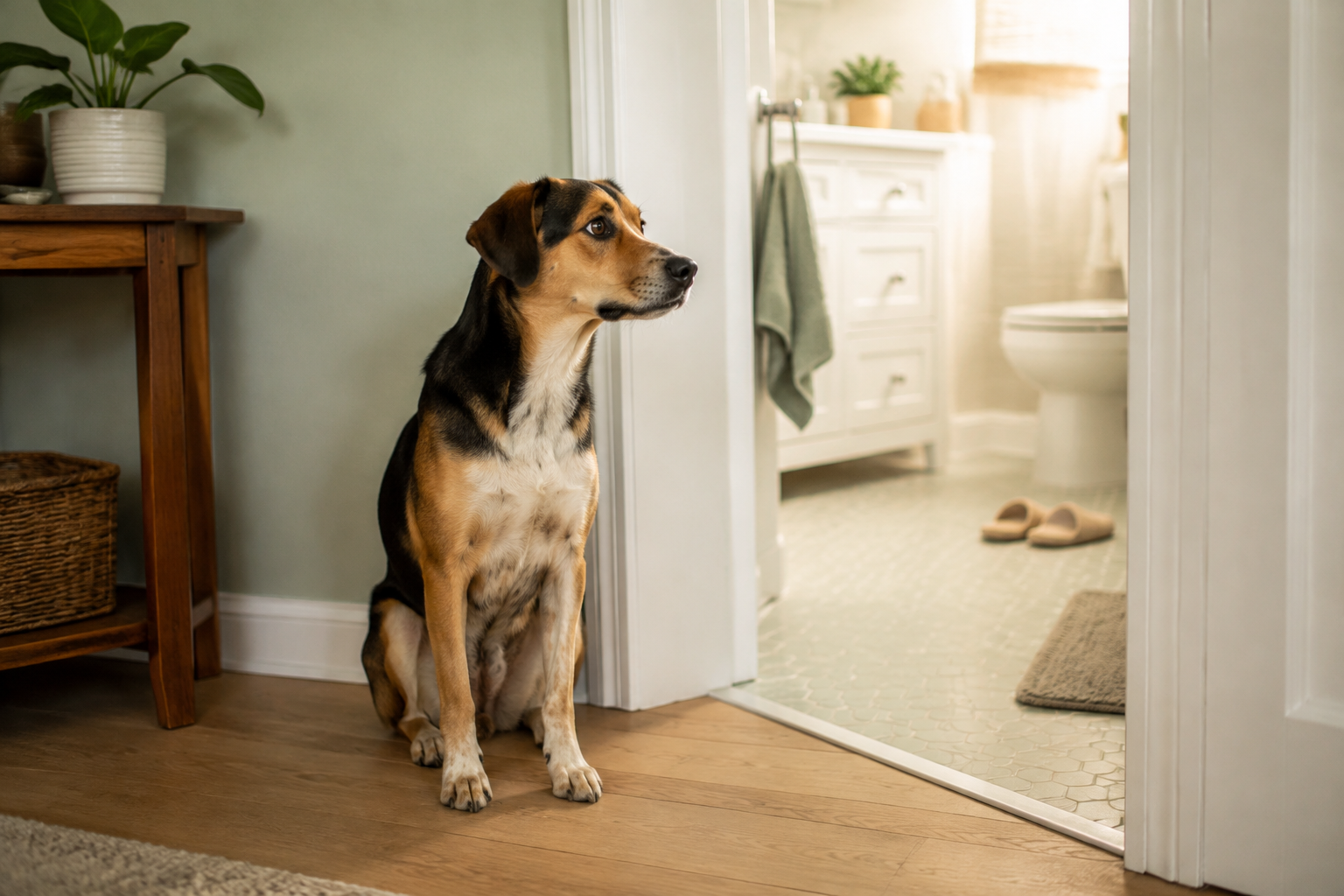
    A calm dog sitting outside a bathroom doorway

    Your dog may have no interest in the bathroom itself. They may simply have noticed that you always disappear behind the same door, at roughly the same times, and that following you is usually more interesting than staying put.

    Most of the time, this is ordinary companion-dog behavior. The more useful question is not, “Does my dog follow me?” It is, “What happens if I close the door or leave the room?” A dog that settles nearby is telling a different story from a dog that panics, paces, vocalizes, or tries to get through the door.

    The short answer

    Dogs often follow people to the bathroom because they like being near them, they have learned the household routine, they expect attention, or they are curious about a closed door. Following alone is not a diagnosis. Pay closer attention when the behavior is sudden, markedly more intense than usual, or comes with distress when the dog cannot reach you.

    A 30-second check before you worry

    What you notice Usually a lower-concern pattern Worth a closer look
    Door closes Dog waits, sniffs once, then settles Dog repeatedly scratches, vocalizes, pants, or cannot settle
    You leave home Dog relaxes after a routine departure Distress begins during departure cues or soon after you leave
    Change over time This has always been a quiet habit The behavior is sudden, escalating, or paired with other changes
    Your response Dog can redirect to a bed, toy, or another person Dog cannot disengage even with ordinary support
    A relaxed dog following an owner through a hallway
    Following a familiar person can be part of an ordinary household routine.

    1. You are part of the dog’s normal route

    Dogs are excellent at noticing patterns. If you head to the bathroom after waking, before a walk, after dinner, or before bed, the trip can become part of the home’s map. Following you may be no more dramatic than following the person who usually opens the back door or starts breakfast.

    This is especially common when one person handles most of the food, walks, play, or training. The dog has learned that your movement predicts something relevant. The American Kennel Club notes that close following can center on a primary caregiver and can be strengthened by the attention and treats that arrive around that person.

    What to try: Notice whether your dog follows everyone or mainly the person connected to the most routines. That answer is more informative than the bathroom location.

    2. The bathroom is a rare quiet moment with you

    To a dog, a seated and stationary person can be easier to approach than a person moving around the kitchen or answering a phone. The room may be small, quiet, and predictable. If you talk to your dog, pet them, or make eye contact there, the pause can become a little pocket of attention.

    That is not wrong. It just explains why the behavior repeats. A dog does not need to understand the room’s purpose to learn that standing beside you sometimes produces connection.

    A relaxed dog waiting with a toy near an open bathroom
    A quiet, predictable moment can become a reliable point of connection.

    3. The behavior has been rewarded without anyone meaning to reward it

    Reinforcement can be subtle. You may laugh, say the dog’s name, scratch an ear, open the door quickly, or offer a toy when they appear. From the dog’s perspective, following you reliably creates a response.

    This does not mean you caused a problem. It means the pattern has a clear feedback loop. If you would rather have more privacy, change the loop calmly: give the dog a resting place outside the bathroom, reward the choice to settle there, and avoid turning door-following into a game.

    4. A closed door is genuinely interesting

    Dogs investigate movement, scent, sound, and access. A door that was open a moment ago and is now closed can be a small mystery. Some dogs simply want to check that their person is still nearby. Young dogs and naturally curious dogs may be especially persistent about any room that becomes unavailable.

    A small dog calmly investigating a partly open bathroom door
    Curiosity and a changed access point can be enough to explain a follow.

    5. Your dog prefers social proximity

    Dogs are social animals, and some individuals choose to keep a closer radius than others. Breed tendencies, early experiences, age, household routines, and personality all affect how much contact a dog seeks. A dog who lies at your feet in every room may be expressing the same preference at the bathroom door.

    The key distinction is flexibility. A socially attached dog can usually settle somewhere else when there is nothing happening. A dog in distress often cannot.

    6. The follow may be one small part of a bigger change

    Bathroom following matters more when it is new or arrives with other changes: reduced appetite, restlessness, altered sleep, house-soiling, fearfulness, pain signs, confusion, or behavior that only appears when a person is absent. The follow is not the diagnosis; it is a clue to bring into the bigger picture.

    For a sudden behavior change, start with your veterinarian rather than assuming it is a training issue. For a pattern tied to absence or closed doors, a qualified behavior professional can help you identify the trigger and a humane next step.

    Illustrated map of common reasons dogs follow their people
    Routine, attention, curiosity, and a learned calm alternative can look similar at first glance.

    When it may mean more than company

    The line to watch is distress, not closeness. Behavior sources describe separation-related distress as a pattern that can include persistent barking or howling, pacing, destructive attempts around exits, house-soiling when alone, drooling, or marked anxiety around departure cues. Those signs need context; one bark behind a bathroom door does not establish a diagnosis.

    Use a short video or phone recording when it is safe to do so. The ASPCA, VCA, and the American Veterinary Society of Animal Behavior all emphasize observing what happens when the dog is actually separated or alone. A recording can show whether the dog settles after a minute, keeps escalating, or behaves differently when another person remains home.

    Illustration comparing relaxed waiting, calm settling, and distress-linked pacing
    Focus on the dog’s ability to settle, rather than on following alone.

    Contact a veterinarian or qualified behavior professional sooner when:

    • the behavior is sudden or much more intense than your dog’s usual behavior;
    • your dog repeatedly vocalizes, pants, drools, paces, scratches, or tries to escape when you are out of sight;
    • there is destruction focused on a door, window, or exit point;
    • house-soiling, appetite, mobility, sleep, or confusion changes appear too; or
    • your dog could hurt themselves trying to get to you.

    Do not punish a dog for these signs. If distress is part of the picture, punishment can add fear without explaining what you want instead.

    Illustrated pathway from observation to calm rest or professional help
    A new, escalating, or distress-linked pattern is more useful to document than a single follow.

    A calmer bathroom routine, if you want one

    You do not need a dramatic training plan for a dog who quietly sits nearby. Start with a small, repeatable alternative.

    1. Put a mat or bed just outside the bathroom.
    2. Invite your dog onto it while the door is open, then reward calm settling.
    3. Step inside briefly and return before the dog becomes worried.
    4. Repeat at easy durations; increase only while the dog stays relaxed.
    5. Keep the routine low-key. The goal is a dog who can choose rest, not a dog who thinks a closed door predicts a major event.
    A dog relaxing on a mat outside a bathroom with a puzzle toy
    A familiar mat can make an independent, calm choice easier to practice.

    If your dog becomes upset at any stage, make the next repetition easier and consider getting professional guidance instead of pushing through. VCA notes that behavior plans for separation-related distress focus on helping the dog settle while the person is still home and briefly out of sight.

    Use a one-week observation instead of guessing

    For seven days, make a quick note of four things: the time, what you did before leaving the room, what your dog did once access changed, and how quickly they settled. Add a short video of an ordinary absence if you are concerned. This turns a vague feeling of “clingy lately” into something a veterinarian or behavior professional can actually assess.

    A seven-day visual observation planner for dog behavior patterns
    Track context and recovery time, not just whether the dog followed.

    Bottom line

    Bathroom following is usually a small, ordinary part of sharing a home with a social dog. The useful signal is whether your dog can relax when you are briefly unavailable. A quiet wait is one thing. A new pattern of panic or escalating distress is another, and it deserves a closer look.

    A dog resting independently in a nearby room
    Independence does not mean distance; it means your dog can settle safely when you step away.
    Research note: This article is educational and cannot diagnose a behavior or medical condition. Sources consulted: American Kennel Club, ASPCA, VCA Animal Hospitals, and the American Veterinary Society of Animal Behavior. Check source pages again before publication if clinical wording changes.